

History of EMDR: what type of therapy it is and how it helps to process trauma
EMDR is one of the most fashionable psychological therapies, with data on its effectiveness for the treatment of trauma and post-traumatic stress. At CALMA Psicólogos, we use EMDR therapy in Fuengirola and Mijas as a specialised tool to help people reprocess painful experiences, reduce emotional distress, and regain psychological balance.
Although many people have heard of EMDR in recent years, doubts still remain about how this therapy actually works and what benefits it can offer.
History of EMDR therapy
The EMDR method is relatively recent within modern clinical psychology. Here are some of its main milestones:
- 1987: Francine Shapiro discovers the effect of eye movements on disturbing memories.
- 1989: the first scientific study on EMDR is published in the Journal of Traumatic Stress.
- 1990: It is verified that other forms of bilateral stimulation are also effective.
- 2013: The World Health Organization (WHO) recognises EMDR as an effective treatment for trauma and PTSD.
Currently, EMDR is supported by multiple scientific studies and international organisations like the WHO and the American Psychological Association (APA).
You might be interested in reading EMDR: Myths and realities of the fashionable therapy

The historical foundations of EMDR
-
The perceptions vivid during the event
-
The emotions intense partnerships
-
The physical sensations experienced
-
The Disturbing cognitions Negative self-talk
You might be interested in reading: What is EMDR? Post 0
Evolution of EMDR: from experimental technique to validated therapy
-
1990sEarly controlled studies demonstrating the efficacy of EMDR in patients with PTSD
-
2004The WHO (World Health Organization) include EMDR as a recommended treatment for PTSD in adults
-
2013The American Psychiatric Association recognises EMDR as a valid therapy for PTSD
-
2018The Ministry of Health of Spain Include EMDR in the clinical practice guideline for the management of PTSD

Why do the scars of trauma not disappear on their own?
You might be interested in reading about: Trauma
Early diagnosis: the key to effective treatment with EMDR
Recommended reading PTSD
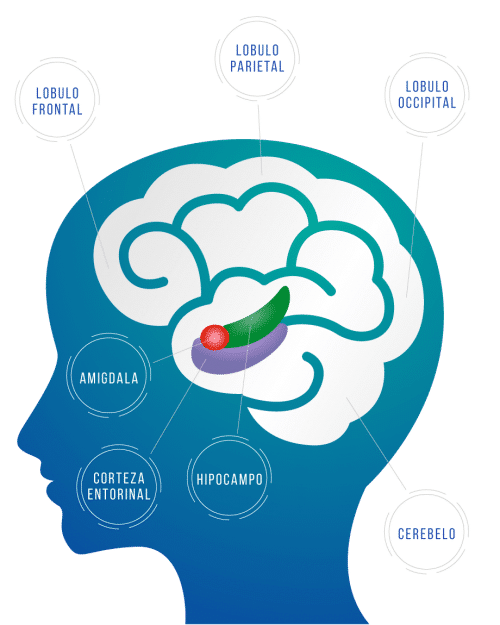
How does EMDR work?
EMDR uses bilateral stimulation—eye movements, alternating sounds, or tapping—to facilitate the processing of traumatic memories.
During the session, the person connects with a concrete experience while the brain activates natural emotional integration mechanisms.
The aim is not to erase the memory, but to reduce its emotional intensity so that it no longer dictates the present.
Objectives of EMDR in psychological therapy
EMDR therapy aims to restore adaptive information processing and promote new, more functional neural connections.
Among its main objectives are:
- to alleviate emotional suffering
- Reduce traumatic symptoms
- reduce physiological activation
- transform negative beliefs
- improve emotional regulation
- to foster a healthier self-perception
Many people describe the process as “removing emotional weight” from certain memories.
Recommended reading Debunking myths
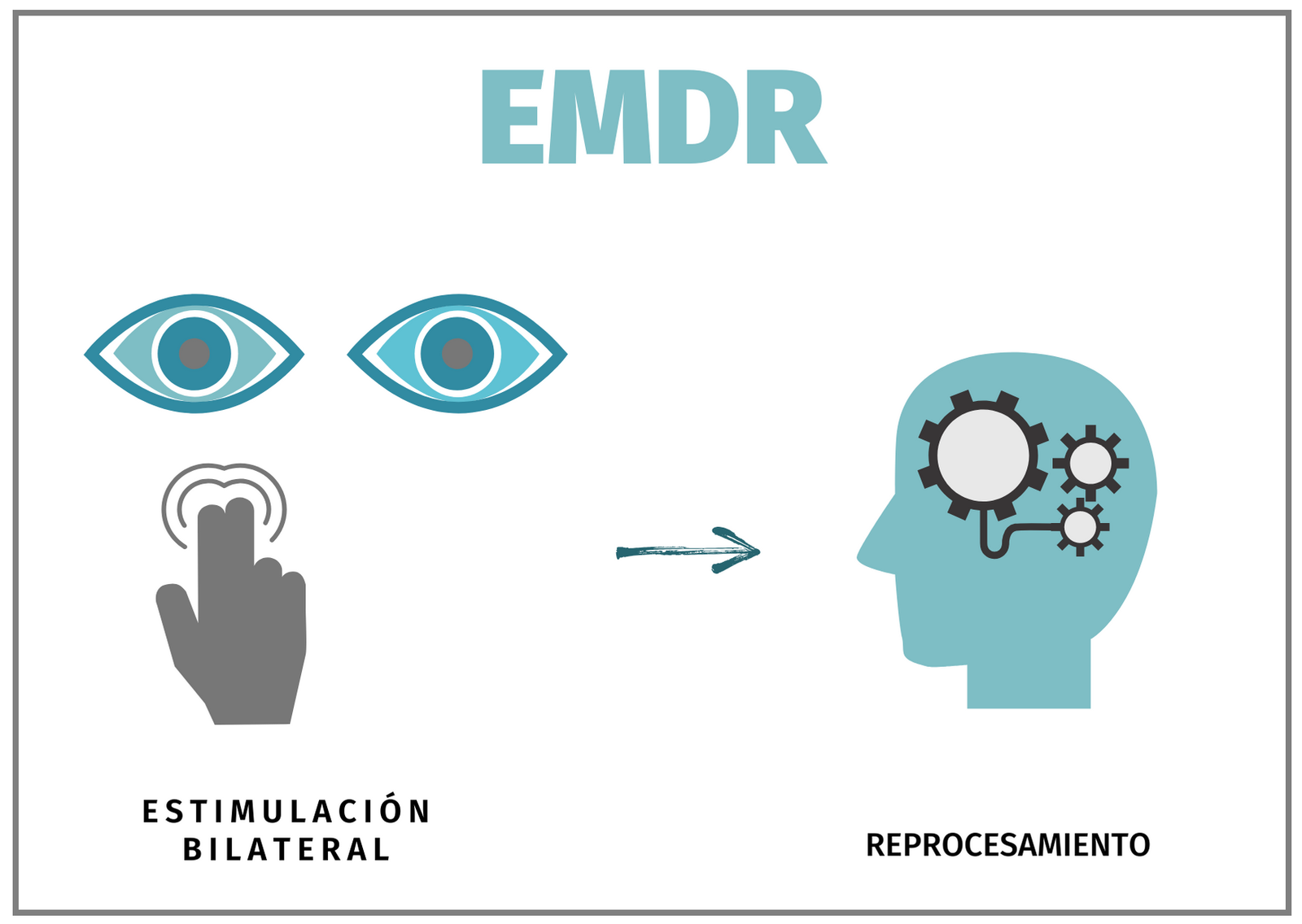
Phases of EMDR therapy
EMDR therapy follows a structured protocol made up of different phases.
1. Evaluation and planning
The psychologist gathers information on personal history, identifies traumatic memories, and establishes therapeutic goals.
2. Emotional preparation
Before working on trauma, psychological resources are developed to improve emotional regulation and generate a sense of safety.
3. Identification of the memory
A specific experience is selected and explored:
- associated images
- emotions
- negative thoughts
- physical sensations
4. Desensitisation
Through bilateral stimulation, the brain begins to reprocess the traumatic experience.
5. Installation of positive beliefs
More adaptive and healthy thoughts about oneself are strengthened.
6. Body Scan
Possible residual physical tensions associated with recollection are reviewed.
7. Closing and stabilising
Each session concludes with techniques aimed at restoring emotional balance.
8. Re-evaluation
In subsequent sessions, progress is assessed and it is determined whether it is necessary to continue working on other memories.
Recommended reading 7 types of anxiety
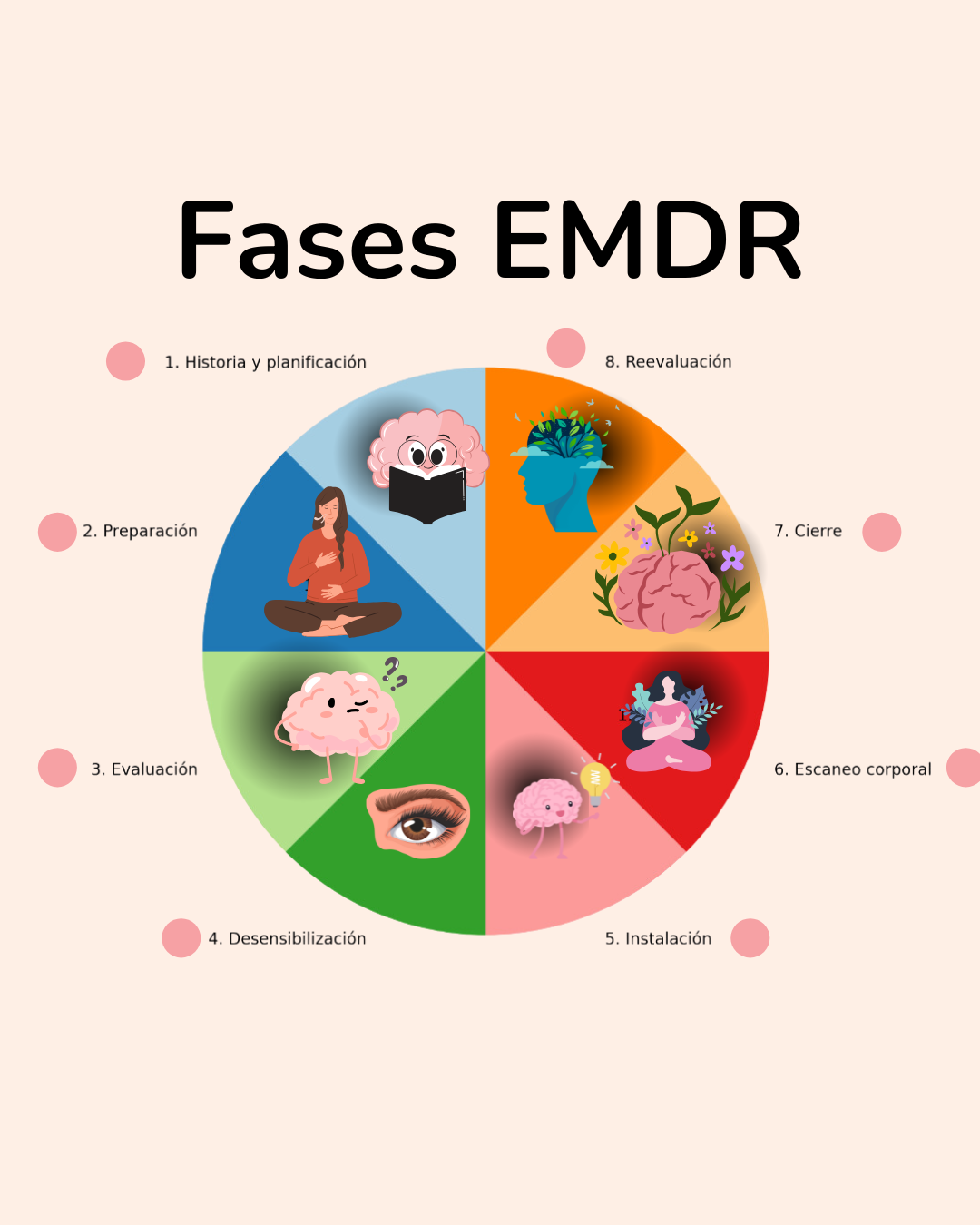
The PAI model and the neuropsychological basis of EMDR
EMDR is based on the Adaptive Information Processing (AIP) model, which explains how the brain integrates experienced events.
When a traumatic event is not processed correctly, the information becomes “stuck” in neural networks and continues to cause distress long afterwards.
EMDR facilitates the more adaptive integration of this information, reducing the negative emotional burden associated with the memory.
You might be interested in reading: What is the PAI model
What problems can EMDR be used for?
Although initially developed for post-traumatic stress disorder (PTSD), nowadays EMDR is also used for other psychological problems (we have left you some links in the list if you wish to expand your knowledge) such as:
- anxiety
- depression
- panic attacks
- phobias
- Tricky duel
- childhood trauma
- psychological violence
- Bullying
- traumatic ruptures
- Low self-esteem
- Addictions
- eating disorders
- Chronic pain
At CALMA Psicólogos, we use EMDR therapy in Fuengirola and Mijas, always adapting the treatment to the individual needs of each person.
Recommended reading 7 types of anxiety

How long does EMDR therapy last?
The duration of the treatment depends on various factors:
- the complexity of trauma
- number of traumatic experiences
- Emotional stability
- presence of other psychological disorders
- personal resources and social support
In some cases, significant improvements can be observed in just a few sessions, while complex traumas require longer processes.
Benefits of EMDR therapy
EMDR therapy can provide significant benefits for emotional and psychological well-being:
- anxiety reduction
- Less emotional reactivity
- Improving self-esteem
- Relief from physical discomfort associated with trauma
- A greater sense of control
- reduction of post-traumatic stress symptoms
- Healthy integration of painful memories
The importance of asking for professional help
Many people live with traumatic experiences for years without understanding how they continue to affect their present. Trauma doesn't always go away on its own and can sometimes interfere with relationships, sleep, self-esteem, or emotional regulation.
Seeking specialised psychological help can be an important step towards regaining well-being and quality of life.
At CALMA Psicólogos, we provide EMDR therapy in Fuengirola and Mijas with a friendly, personalised, and scientifically evidenced approach.

Post written by Samara Valenzuela
If, after reading this entry, you think you might need to seek evaluation to see if you require EMDR therapy, and you would like to learn more about the professionals who offer it at CALMA PSICOLOGOS, please do not hesitate to CLICK.
Bibliographical References
- World Health Organization (WHO). (2013). Guidelines for the management of conditions specifically related to stress.
- Shapiro, F. (1989). Eye Movement Desensitisation: A New Treatment for Post-Traumatic Stress Disorder. Journal of Traumatic Stress.
- American Psychological Association (APA). Clinical Practice Guideline for the Treatment of PTSD.
- Francine Shapiro. Moving Past Your Past.
- EMDR International Association (EMDRIA).
Quick read to expand information on EMDR and/or related topics:
- What is TRAUMA? https://calmapsicologos.com/es/que-es-un-trauma/
- Therapy service EMDR at Calma Psicólogos
- Treatment for the Calm Duel Psychologists