

What is Trauma: A Complete Guide to Understanding and Overcoming It
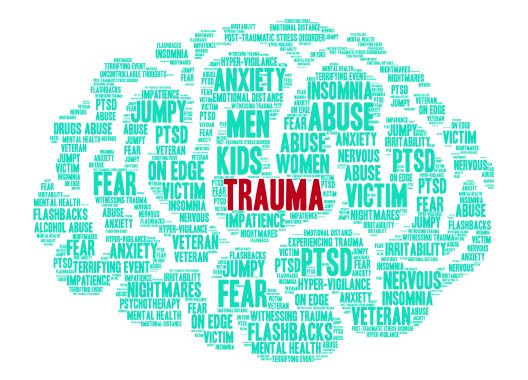
Types of Trauma: Not All Are Equal
Understanding what kind of trauma we have experienced is fundamental to choosing the right treatment. Each form of trauma impacts the brain and body differently.
Acute trauma
Acute trauma stems from a single dangerous or threatening event that occurs at a specific moment in life. Common examples include traffic accidents, natural disasters, attacks, sudden loss of loved ones, or traumatic medical experiences. Although it arises from a single incident, its impact can be profound and lasting if not processed correctly.
Chronic trauma
Chronic trauma results from repeated and prolonged exposure to stressful or abusive situations. This type of trauma is characteristic of child abuse, domestic violence, workplace bullying, or prolonged bullying. The persistent nature of these experiences generates patterns of hypervigilance and emotional dysregulation that become consolidated in the personality, making recovery more complex.
Complex trauma
Complex trauma, also known as DESNOS (Disorder of Extreme Stress Not Otherwise Specified), arises from exposure to multiple interpersonal traumatic events, typically of a severe and prolonged nature. It usually originates in contexts where the person has no possibility of escape, such as intrafamilial abuse during childhood. This type of trauma affects identity development, the ability to regulate emotions, and how one relates to others.
Vicarious trauma
Secondary trauma, also known as vicarious trauma, occurs as a result of close contact with someone who has suffered direct trauma. It is common in emergency professionals, healthcare workers, psychologists, social workers, and family members of traumatised individuals. Although the event was not experienced directly, repeatedly hearing the details and empathising with the suffering of another causes similar changes in the nervous system.
Intergenerational trauma
Traumatic patterns that are passed down from one generation to another through family behaviours and values.
Symptoms of Trauma: How it Manifests in Body and Mind
Emotional and Cognitive Symptoms
Physical Symptoms
Behavioural Symptoms
Long-term consequences of untreated trauma
Effective Treatments for Overcoming Trauma
Related article: PTSD
Cognitive Behavioural Therapy (CBT)
Related article: TCC
EMDR Therapy
Eye Movement Desensitisation and Reprocessing (EMDR) therapy is an effective and extensively researched psychotherapy method. It has been shown to help individuals recover primarily from trauma and other distressing life experiences associated with mental health issues such as post-traumatic stress disorder (PTSD), anxiety, depression, and many other pathologies.
Related article: EMD: Myths and realities of the trendy therapy.Related article: What is EMDR actually about?
Somatic and Body Therapies
Complementary Self-Care Strategies
When to seek professional help?
Frequently Asked Questions about Trauma
How long does trauma treatment last?
Is it possible to completely overcome trauma?
Yes. Overcoming trauma doesn't mean forgetting what happened, but rather that the memory loses its negative emotional charge and stops conditioning the present. Many people report not only recovery but also post-traumatic growth: developing greater resilience, appreciation for life, and a deep connection with others.
Can I treat my trauma by myself?
A reading that might interest you
- Post-traumatic stress and its Calm Psychologists treatment
- Therapy service EMDR at Calma Psicólogos
- Treatment for the Calm Duel Psychologists
- Don't stop visiting the Calma Psicologos blog to learn more about psychology.
Post written by Samara Valenzuela
If, after reading this entry, you believe you may need to attend an assessment to determine if you require therapy to overcome trauma and would like to learn more about the professionals who provide it at CALMA PSICOLOGOS, do not hesitate to CLICK.