

EMDR: myths and realities about this trendy psychological therapy
We'll go over the most common misconceptions about EMDR therapy and its usefulness. Debunking the myths of this trendy therapy: It's neither magic nor a quick-fix therapy for everyone.
It is another psychological tool, with virtues for helping to address trauma, anxiety, and difficult emotional experiences. Understanding what it can genuinely contribute to therapy is fundamental for starting the process with realistic expectations.
EMDR therapy has become one of the best-known psychological treatments for addressing trauma, anxiety, and difficult emotional experiences. However, along with its popularity, many misconceptions about how this technique actually works have also surfaced.
At CALMA Psicólogos, we practice EMDR therapy in Fuengirola and Mijas from a professional, ethical, and scientifically evidenced perspective, helping people process difficult experiences in a safe way that is tailored to their needs.
Related article: What is EMDR?
What is EMDR therapy?
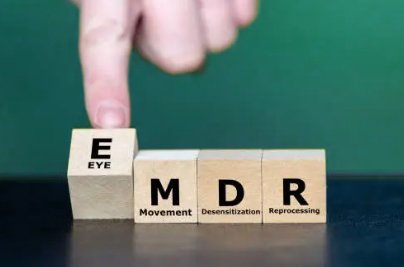
EMDR stands for Eye Movement Desensitisation and Reprocessing.
This is a psychological therapy particularly aimed at treating trauma and emotionally intense experiences that have become “stuck” in the nervous system.
Related article: A trauma is a deeply distressing or disturbing experience.
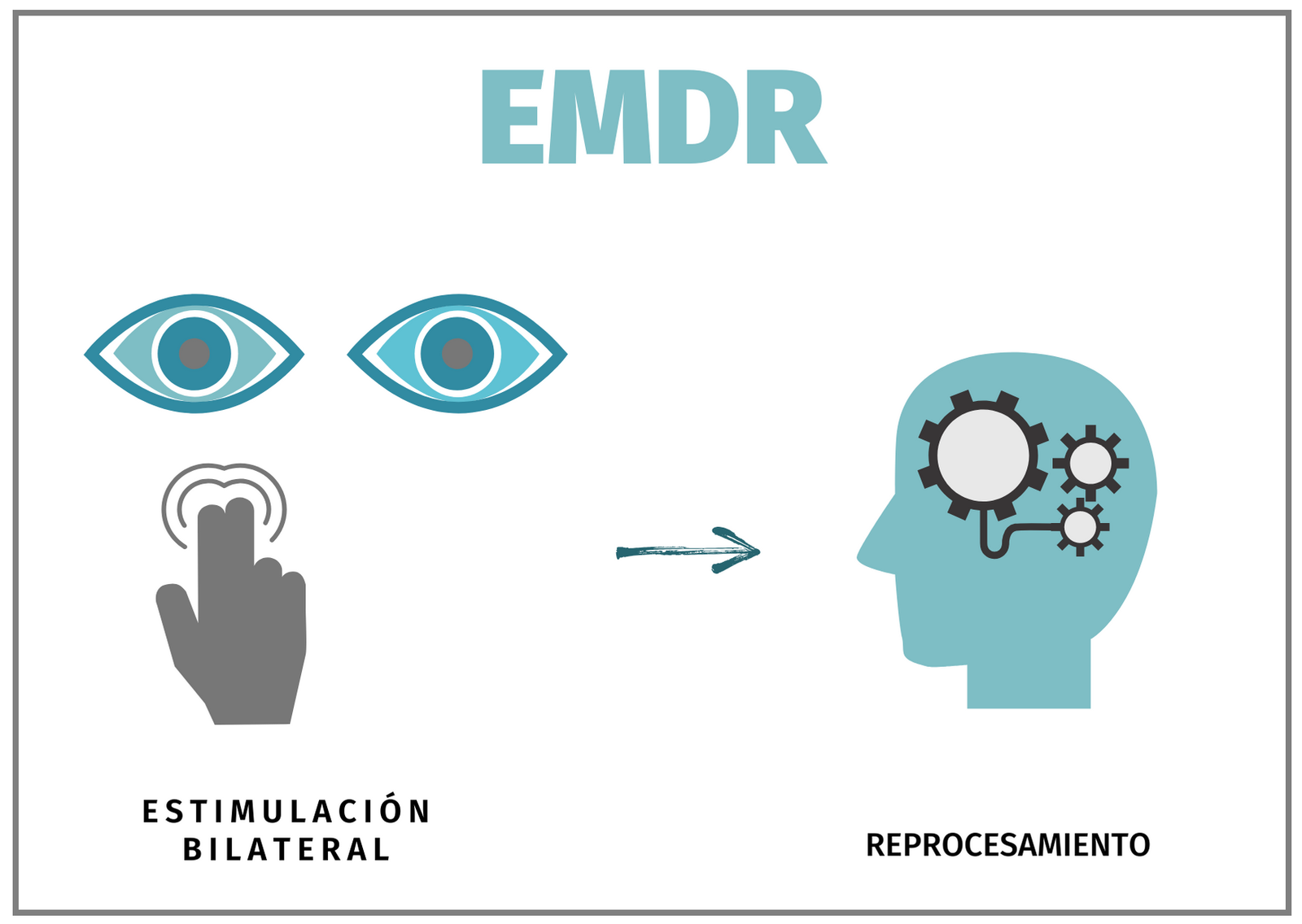
EMDR therapy uses bilateral stimulation — such as eye movements, sounds, or alternating taps — to help the brain process traumatic memories in a more adaptive way.
Currently, EMDR is supported by scientific research and recognised by international bodies such as the World Health Organisation for the treatment of psychological trauma.
And in case you had any doubts:
No, EMDR is not considered a therapy within the Traditional Cognitive Behavioural Therapies (CBT)
What should we know before starting EMDR therapy?
We want to make it clear that at CALMA PSICÓLOGOS, we are a team trained in this discipline to provide EMDR therapy in Fuengirola and Mijas. We firmly believe in its usefulness as a tool and as a therapy.
But given the trend, and as is the case with all fads, we have a responsibility to provide information based on scientific evidence.
You might be interested in reading: What is EMDR actually about?
That's why, before we talk about the benefits of EMDR (which we will do at the end of the post), we consider this section of the entry to be necessary:
Debunking the myths of EMDR
Do not request this therapy; ideally, you should consult with your referring psychologist, and it should be the professional who proposes it.
Don't get carried away by trends.
Click here: If you really want to expand and learn more about the history and origins of EMDR
Myth 1: “EMDR cures in a few sessions”
One of the most frequent mistakes is to think that EMDR works as a quick-fix therapy.
Although some people may experience relatively quick relief, the number of sessions depends on many factors:
- The complexity of trauma.
- Personal history.
- Emotional regulation capacity.
- The level of anxiety.
- The existence of accumulated traumas.
Before working directly with difficult memories, in EMDR therapy, time is also dedicated to creating emotional safety and developing psychological resources to face the process.

Myth 2: “EMDR is suitable for everyone”
EMDR therapy can be very helpful, but not everyone needs the same therapeutic approach.
There are cases where it is first necessary to work:
- Emotional stability.
- The regulation of anxiety.Related article)
- Self-esteem.Related article)
- Coping skills.
Each person has different needs and treatment should be tailored on an individual basis.
That is why it is always important to carry out a prior psychological assessment before starting a process with EMDR.
Myth 3: “EMDR is hypnosis”
Many people believe that during an EMDR session they will lose control or enter a trance-like state.
That's false.
During EMDR therapy, the person remains conscious at all times, able to speak, stop the session, or express what they are feeling whenever needed.
This is not hypnosis, but a psychological technique based on how the brain processes emotional information.
Recommended reading What is the PAI Model

Myth 4: “You need to remember all the trauma with absolute accuracy”
Traumatic memory doesn't always appear clearly and organised.
On many occasions there are:
- Fragmented memories.
- Bodily sensations.
- Intense emotions.
- Emotional blocks.
- Memory lapses.
EMDR does not require you to remember all the exact details of what happened. Therapeutic work can also be carried out based on emotions, thoughts, or sensations associated with the experience.
Myth 5: “If EMDR works, you shouldn't feel any distress afterwards.”
Processing difficult experiences can lead to emotional exhaustion or a sense of temporary activation after some sessions.
This doesn't mean there's anything wrong with the therapy.
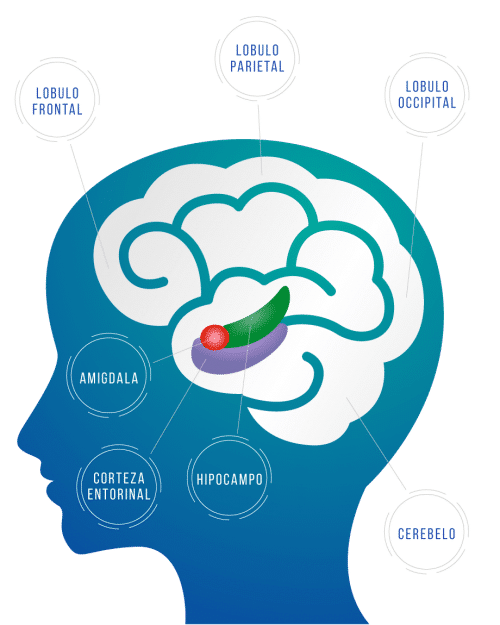
Sometimes, the brain continues to reorganise emotional information after the session, which is completely normal within the therapeutic process.
Therefore, in EMDR therapy, professional psychological support and emotional regulation tools are essential.
Myth 6: “EMDR replaces all other therapies”
EMDR is a powerful tool, but it is typically integrated within a broader psychological treatment.
In many cases it is combined with:
- Cognitive behavioural therapy.Related article)
- Emotional regulation.
- Self-esteem work.Related Art)
- Attachment therapy.Related article)
- Anxiety techniques.Related article)
- Self-care strategies.
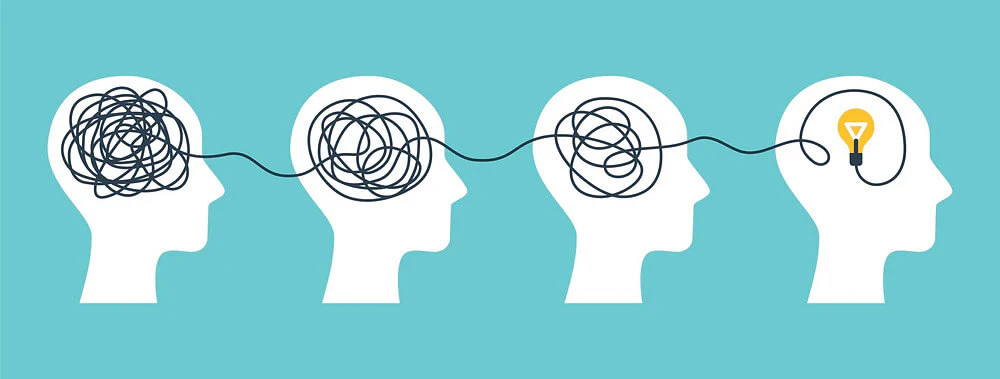
Emotional recovery isn't just about reprocessing traumatic memories, but also about learning new ways of relating to yourself and to others.
EMDR can help with a number of psychological problems, including: * Post-traumatic stress disorder (PTSD) * Anxiety disorders * Depression * Phobias * Eating disorders * Addictions * Grief
EMDR therapy can be helpful for problems such as:
- Psychological trauma.What is a trauma?)
- Anxiety.Related article)
- Panic attacks.Related article)
- Post-traumatic stress disorder PTSD (Related Art.)
- Phobias.Related article)
- Tough duel.Related article)
- Low self-esteem.Related article)
- Emotional dependence.Related article)
- Difficult childhood experiences.

The importance of having realistic expectations
EMDR is not magic or an instant solution, but it can become a very effective tool when worked with properly and within a safe therapeutic process.
Each person progresses at their own pace, and therapy must always respect the emotional timings of the person undergoing it.
The important thing is not to eliminate the past, but to ensure that it stops causing suffering in the present.
EMDR Therapy in Fuengirola and Mijas
At CALMA Psicólogos, we support therapeutic processes related to trauma, anxiety, and emotional management, offering an approach that is approachable, professional, and based on scientific evidence.
If you are considering starting EMDR therapy in Fuengirola, Mijas, or online, we can help you understand if this approach is suitable for you and support you throughout the therapeutic process.

Post written by Samara Valenzuela
If after reading this entry you think you might need to attend to assess whether you require EMDR therapy and would like to know more about the professionals who provide it at CALMA PSICOLOGOS, please do not hesitate to CLICK.
References
- (References: Parnell, L. (1997) Transforming Trauma: EMDR. New York: WW Norton & Co.
- Spanish EMDR Association – https://www.emdr-es.org/Sobre-EMDR/Que-es-EMDR
- Iratxe López Fuentes. (2025, August 26). Dismantling EMDR myths: Neither magic nor express therapy for everyone. Psychology & Mind Portal.
Quick reading to expand information on EMDR and/or related topics:
- What is trauma? https://calmapsicologos.com/es/que-es-un-trauma/
- Therapy service EMDR at Calma Psicólogos
- Treatment for the Calm Duel Psychologists
Gracias por esta publicación. La verdad es que parece que ahora o haces EMDR o no estás con la terapia correcta. Me quedo más tranquila. Entiendo que si fuera buena para mi, sería mi piscólogo el que debería recomendarla.