+34 624 00 21 27 of the centre

EMDR Therapy: Eye Movement Desensitisation and Reprocessing

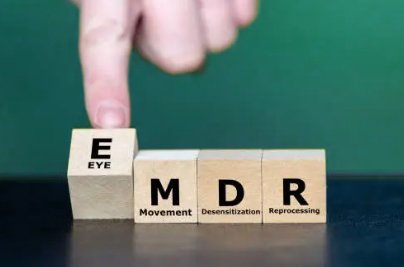
EMDR therapy, which stands for Eye Movement Desensitisation and Reprocessing, is a psychotherapy technique that helps people heal from the distressing events and experiences in their lives.

Eye Movement Desensitisation and Reprocessing (EMDR) therapy is an effective and extensively researched method of psychotherapy. It has been shown to help people recover primarily from trauma and other distressing life experiences that are associated with mental health issues such as post-traumatic stress disorder (PTSD), anxiety, depression, and many other conditions.

Scientific Evidence and International Recognition

World Health Organization Positioning

The World Health Organization has been recommending EMDR since 2013 as one of the recommended treatments for trauma-related disorders.

Other Institutions That Endorse EMDR Therapy
The Cochrane Database of Systematic Reviews indicates that trauma-focused therapies such as EMDR are more effective in post-traumatic pathologies.
• The International Society for Traumatic Stress Studies (ISTSS) includes it as one of the treatments of choice for PTSD.
In many other clinical guidelines and international organisations, EMDR is listed among the recommended therapies.

Other Institutions That Endorse EMDR Therapy

The Cochrane Database of Systematic Reviews indicates that trauma-focused therapies such as EMDR are more effective in post-traumatic pathologies.
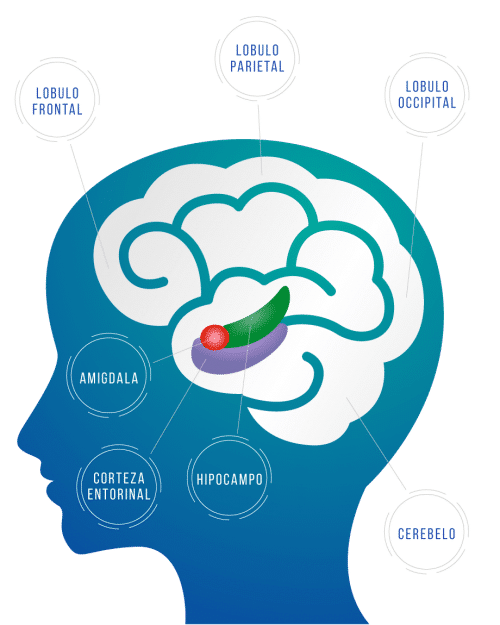
Brain diagram showing amygdala, hippocampus, and prefrontal cortex in EMDR therapy

How does EMDR differ from other therapies?

Both EMDR and cognitive behavioural therapies (CBT) have shown high levels of evidence for the treatment of traumatic memories. Unlike these psychotherapies, EMDR does not require the patient to talk in detail about the problem or undertake tasks between sessions.

EMDR vs. Exposure Therapy

In exposure therapy (a type of CBT), the aim is for the person to engage with the emotions generated by the memory without avoiding it, until a process of habituation gradually occurs, reducing distress.
In EMDR therapy, the person will very briefly make contact with the memory, to give way to an associative process with other memories, sensations or thoughts. There is therefore a reduction in distress (desensitisation), but a process of multiple associations (reprocessing) is also set in motion.

EMDR versus Cognitive Therapies

In more cognitive types of therapy, work is done on the patient's beliefs about the event so that they change to a healthier perspective. In EMDR, although the subject's beliefs are recorded, no specific work is done on them; rather, they change as a result of processing the memory.
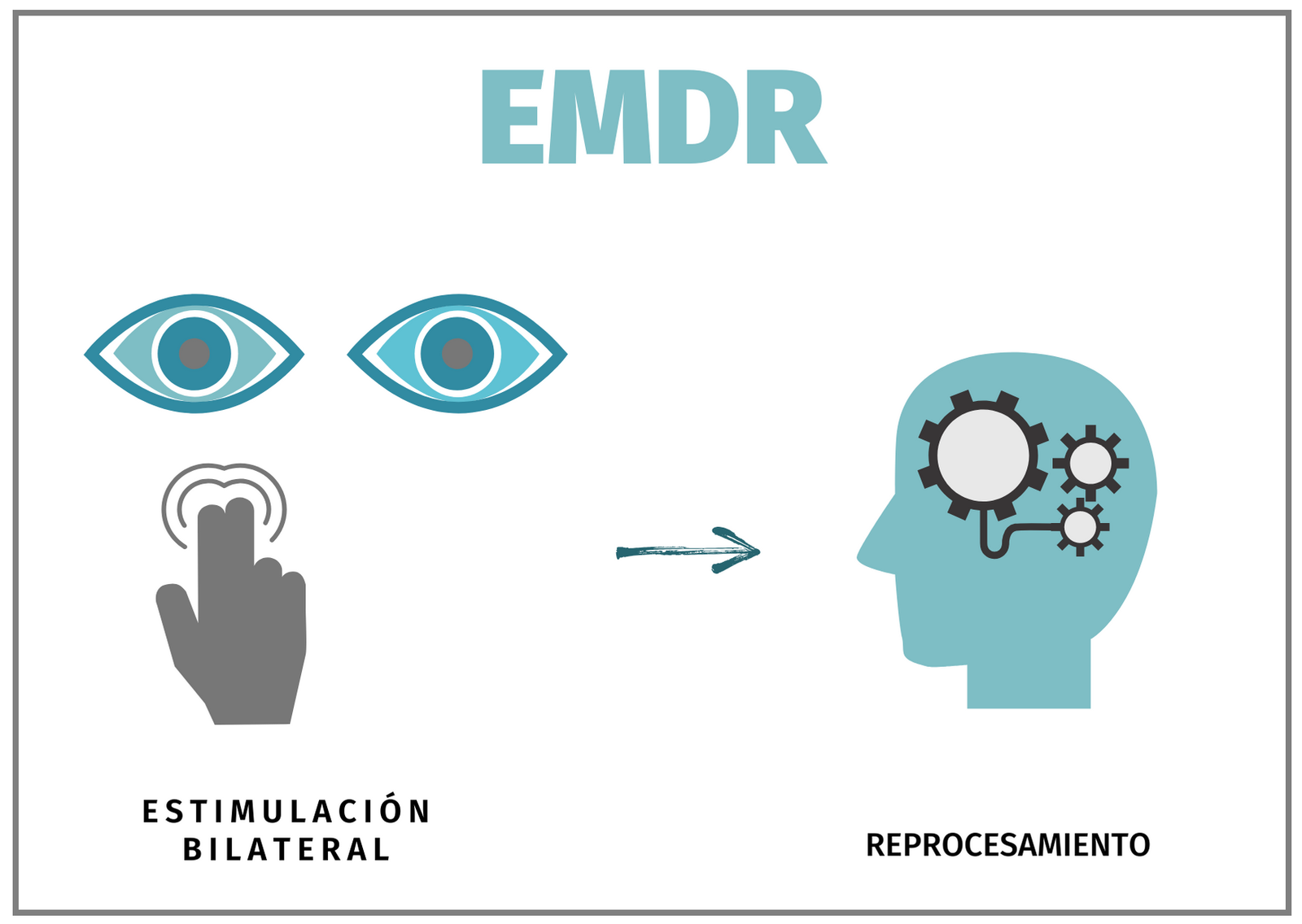
Eye movements and bilateral stimulation in EMDR psychological treatment

Adaptive Information Processing (AIP) Model
The central idea of the EMDR model is that the nervous system has mechanisms for processing and integrating everything that happens to us, including difficult or stressful experiences.
When these experiences are more intense or complex for the person, the system locks up and the memory remains stored without being processed, with the same perceptions, thoughts, emotions, and sensations. These unprocessed memories can lead to problems and symptoms in the present.
EMDR therapy has defined procedures for accessing and unlocking these memories, allowing the nervous system to finally integrate them. Within these procedures, one of the elements used is eye movement or other forms of bilateral brain stimulation (tactile, auditory).

What Happens in the Brain During EMDR Therapy?

Our brains have a natural way of recovering from traumatic memories and events. This process involves communication between:
The amygdala: Brain nucleus that functions as an alarm signal for stressful events The hippocampus Area that helps with learning, including memories about safety and danger
The prefrontal cortex: Analyse and control behaviour and emotion
When something occurs that overwhelms the brain's capacity to process it, the fight, flight or freeze responses remain active. EMDR therapy helps the brain to process these memories and allows the natural healing process that was interrupted to resume.
The EMDR (Eye Movement Desensitisation and Reprocessing) therapy works on the brain by stimulating the brain's natural healing process.

Who can benefit from EMDR Therapy?

EMDR therapy helps children and adults of all ages. Therapists use EMDR therapy to address a wide range of issues:

Conditions and Problems Treated by EMDR

  • PTSD and other trauma and stress-related problems
  • Anxiety, panic attacks, and phobias
  • Chronic illnesses and medical problems
  • Depression
  • Bipolar and psychotic disorders
  • Dissociative disorders
  • Eating disorders • Grief and loss
  • Pain
  • Performance anxiety
  • Personality disorders
  • Physical, sexual and emotional violence and abuse
  • Sleep disorders
  • Substance misuse and addiction
The EMDR approach is not diagnosis-centred but is based on the foundation of each disorder, which is influenced by the environment in which the person has developed and related.

Is EMDR Safe Without a Trained Therapist?

EMDR therapy is a mental health intervention that should only be offered by properly trained and licensed professionals. 
At Calma Psychologists, We have 2 professionals with official EMDR qualifications.
The EMDR Spain Association does not approve or support the indiscriminate use of EMDR therapy, nor any isolated element of it (such as eye movements, bilateral sounds or tapping) as a virtual «do-it-yourself» therapy.
Unsupervised use can be counterproductive. Only psychologists and doctors can access training accredited by the EMDR Europe Association.
EMDR therapist in Mijas psychological therapy

History and Origin of EMDR Therapy

In the late 1980s, Francine Shapiro discovered a connection between eye movement and persistent distressing memories. Starting from this personal observation, she began to study this phenomenon and develop what eventually became EMDR therapy.
Despite initial scepticism, Dr Shapiro's work evolved from a hypothesis into a structured psychotherapy process, supported by research studies on changes during sessions, effectiveness in different pathologies, and effects on the nervous system.
Francine Shapiro encouraged the founding of the EMDR International Association, which boasts over 11,000 mental health professionals. Until her death in 2019, she drove research into EMDR and the constant refinement of its procedures.
Francine Shapiro, history of EMDR therapy

What is the EMDR Therapy Process like for the Patient?

An experienced EMDR therapist must know the case in depth and understand with the patient the potential connections between the problem they bring to therapy and their past history.

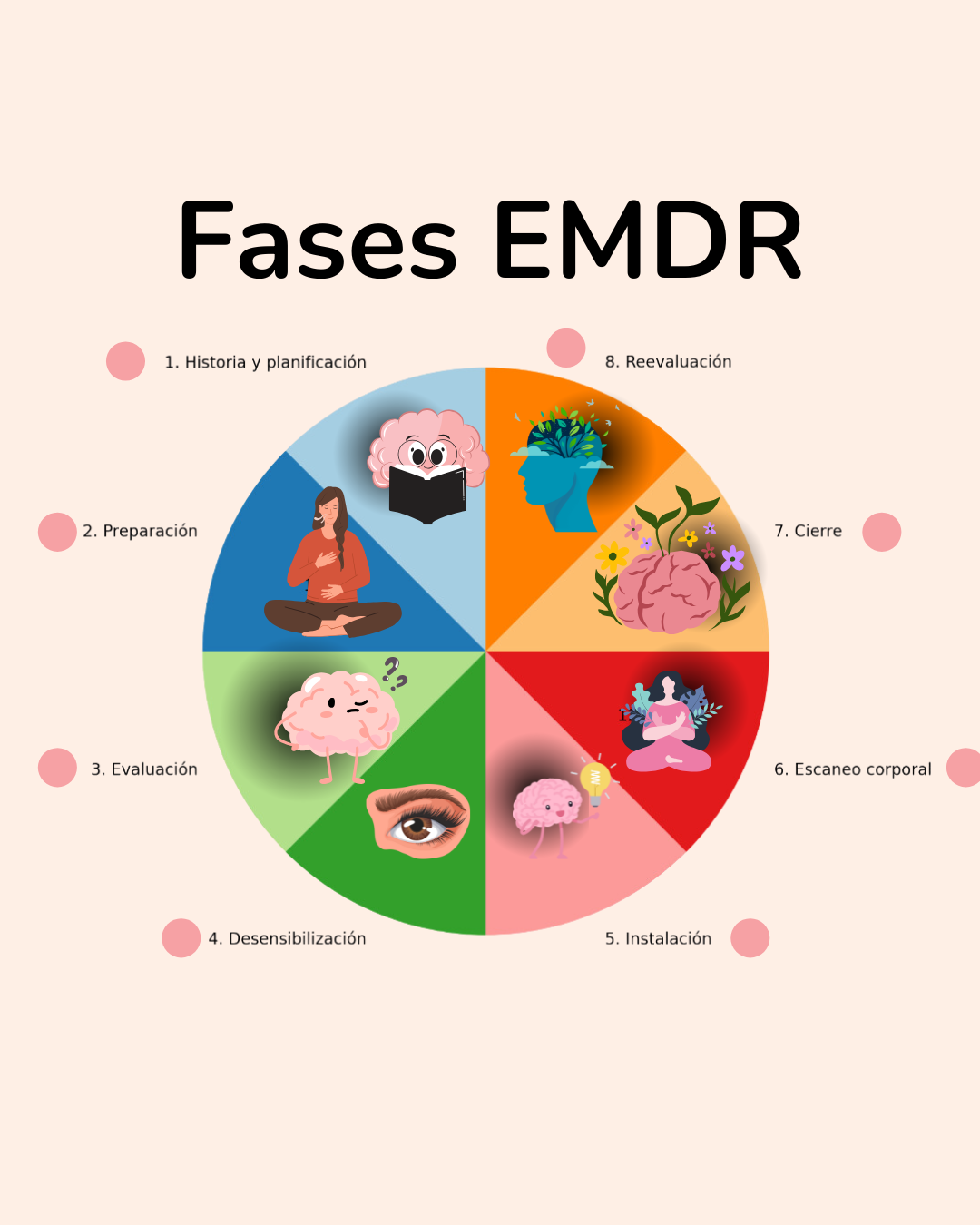
EMDR Treatment Phases

  1. Initial assessment Map of connections between the current problem and previous history
  2. Preparations: Achieve stability, manage emotions, and feel secure
  3. Processing Access each relevant memory with negative image, belief, emotion, and bodily sensation
  4. Installation: Work on a positive belief that involves a change in perspective
A typical EMDR therapy session lasts from 50 to 70 minutes. EMDR therapy can be used as a targeted intervention integrated into more verbal psychotherapy, as an additional therapy with a different therapist, or as a treatment in itself.
Eye movements and bilateral stimulation in EMDR psychological treatment

References 

Quick reading to expand information on EMDR and/or related topics:

Post written by Samara Valenzuela

If after reading this entry you think you might need to attend to assess whether you require EMDR therapy and would like to know more about the professionals who provide it at CALMA PSICOLOGOS, please do not hesitate to CLICK.

Recommended reading by Francine Shapiro to learn more about EMDR

Disclosure to understand how EMDR treatment works

It is a knowledge-enhancement book for patients in which the psychologist Francine Shapiro gives details on the foundations of the EMDR Therapy model. This is reading information, not technical training, nor does it substitute for an appointment with a professional.