

EMDR Therapy: what it is, how it works, and what it's used for
EMDR therapy has become one of the most widely used psychological approaches for treating trauma, anxiety, and difficult emotional experiences. At CALMA Psicólogos, we use EMDR therapy in Fuengirola as an effective tool to help individuals reprocess painful memories and reduce the emotional impact that certain experiences continue to have in the present.
Although many people have heard of EMDR, there are still doubts and myths about how it actually works. It's not about magic or erasing memories, but about helping the brain to process experiences that have become emotionally blocked.
A slightly longer post: History of EMDR
What is EMDR therapy really?
EMDR is the acronym for Eye Movement Desensitisation and Reprocessing (Eye Movement Desensitisation and Reprocessing). It is a psychological therapy designed to help the brain process traumatic or intensely emotional experiences that have become “stuck”.
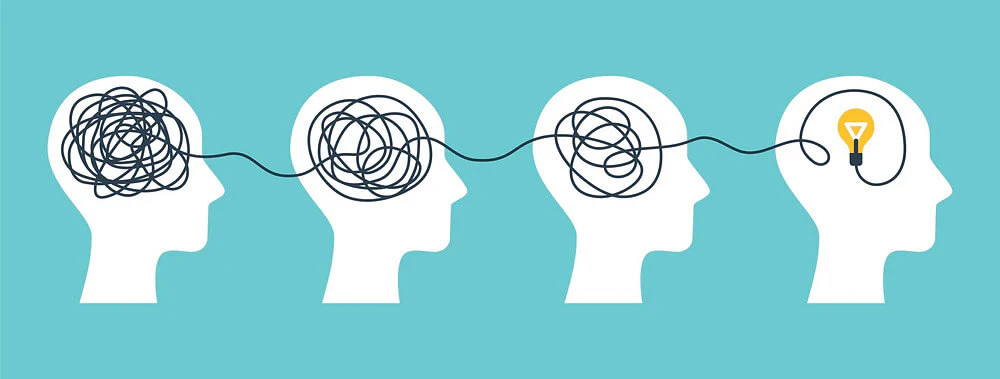
The basis of EMDR stems from a simple idea: the brain has a natural capacity to process difficult experiences, just as the body can heal physical wounds. However, when we undergo very impactful situations—such as a loss, humiliation, abuse, rejection, accident, or betrayal—that processing can become blocked.
Consequently, the memory remains activated with the same emotional intensity as at the moment it occurred.
That's why, years later, certain situations can trigger:
- Intense anxiety
- Irrational fear
- Shame
- Guilt
- Disproportionate emotional reactions
- Constant feeling of alertness
On many occasions, we don't react solely to the present, but also to emotional memories that have not yet been properly processed.
You might be interested in reading EMDR: Myths and realities of the fashionable therapy
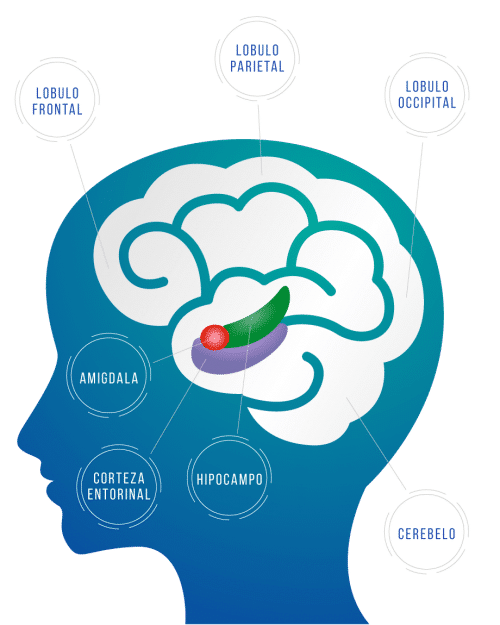
How does EMDR therapy work?
EMDR therapy follows a structured protocol divided into different phases. The aim is to help the brain reprocess the traumatic experience so that it no longer causes the same level of emotional distress.
1. Evaluation and preparation
Before addressing the trauma directly, the therapist carries out a thorough assessment of the person’s history and helps them build up the emotional resources needed to cope with the process safely.
This phase is particularly important in cases of intense anxiety, complex trauma, or difficulties with emotional regulation.
2. Identifying the memory
Then, a concrete experience that continues to generate discomfort is worked on.
For example:
“When I was told off in an aggressive manner in front of other people.”.
In this phase, the following are identified:
- The most disturbing image
- The main attraction
- The bodily sensation associated
- The negative belief (“I'm not good enough”, “I'm worthless”, “I'm going to fail”)
3. Bilateral stimulation
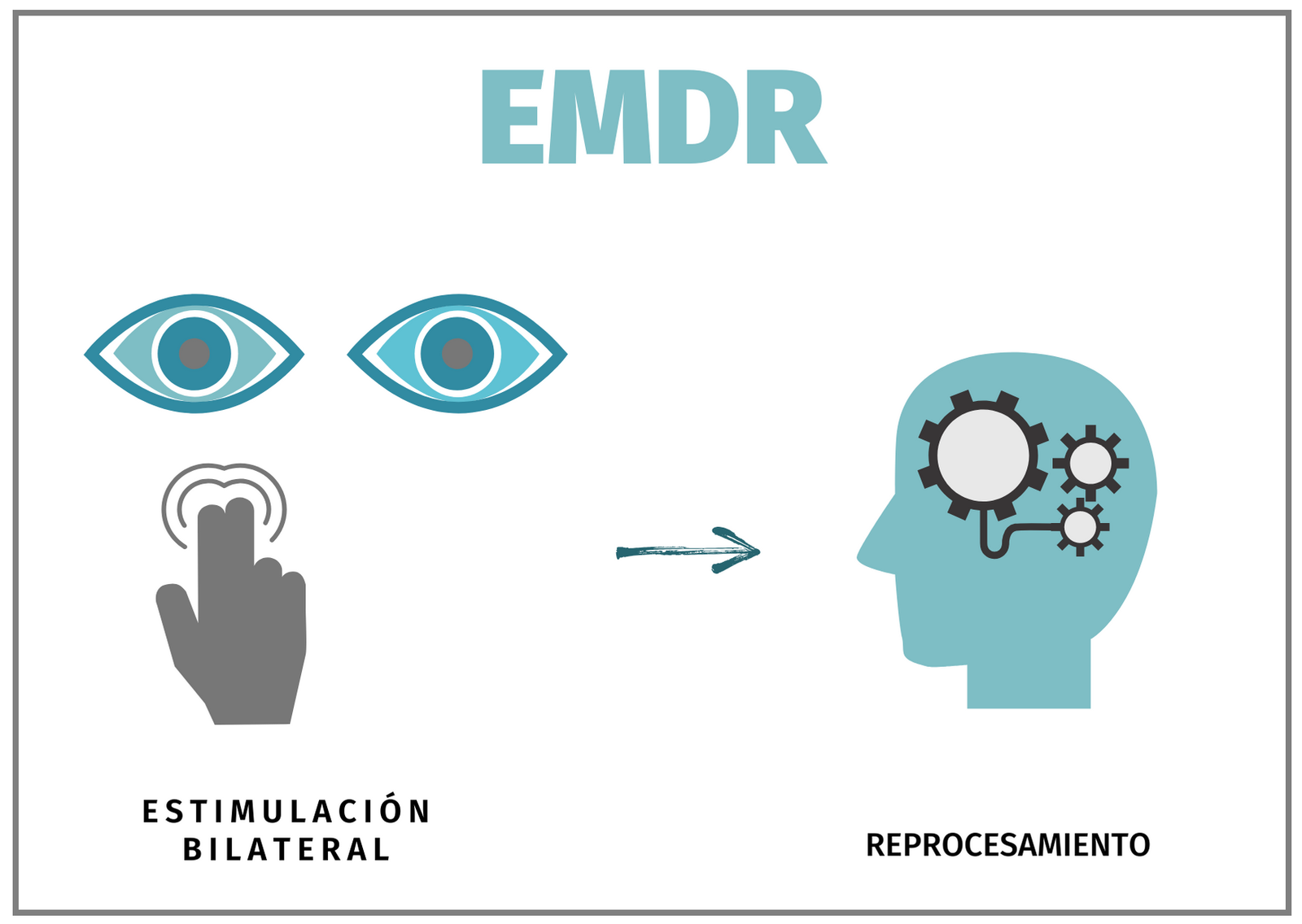
This is the best-known part of EMDR. The therapist uses eye movements, alternating sounds, or small bilateral tapping to stimulate both brain hemispheres.
While this is happening, the person observes what appears in their mind: memories, emotions, thoughts, or new associations.
Nothing is forced. The aim is to allow the brain to continue processing the experience naturally.
You might be interested in reading: What is EMDR (Post 1)
What happens during emotional reprocessing?
As the brain processes experience, memory begins to lose emotional intensity.
For example, a person who initially thinks:
“I am incompetent.”
you can start to adopt more adaptive ways of thinking, such as:
“I made a mistake, but that does not define my worth.
The memory doesn't disappear, but it stops activating the nervous system with the same intensity.
Many people describe this experience as:
- “To feel relief”
- “To take the emotional weight out of the memory”
- “To be able to think about it without shutting down”
You might be interested in reading more about neuroscience: Are the eyes the window to the soul?
Benefits of EMDR therapy
Among the most common benefits of EMDR therapy are:
- Reduction in anxiety associated with specific memories
- Reduction of traumatic symptoms and/or PTSD
- Lower emotional reactivity
- Improving self-esteem
- Changing limiting negative beliefs
- A feeling of physical relief
- Greater mental clarity
- Improving emotional regulation
EMDR therapy in Fuengirola and Mijas can be particularly helpful when certain experiences continue to affect one’s emotional well-being many years later.
You might be interested in reading about: Self-esteem

What problems can EMDR be used for?
Although EMDR was initially developed for Treating post-traumatic stress disorder, it is currently used in many areas of psychotherapy.
Among them:
- Psychological trauma
- Anxiety
- Panic attacks
- Difficult duel
- Bullying
- Psychological abuse
- Painful relationship breakups
- Infidelity
- Phobias
- Low self-esteem
- Social anxiety
- Experiences of humiliation or rejection
- Work-related stress
- Performance anxiety
Elaboration on: Trauma
Here's a simple example to understand EMDR: Imagine you have a bad memory, like falling off your bike and scraping your knee quite badly. When you think about that memory, you might feel a twinge of pain in your knee, a bit of fear, and maybe even a bit of shame if someone laughed. This memory is "stuck" in your brain in a way that makes you re-experience the negative feelings. EMDR (Eye Movement Desensitisation and Reprocessing) is a therapy that helps your brain process these difficult memories so they don't cause you distress anymore. **Here's a simplified way to think about it:** 1. **Focus on the Memory:** The therapist asks you to bring the distressing memory to mind. You think about the images, the feelings, the physical sensations, and the negative thoughts you have about yourself connected to that memory. 2. **Bilateral Stimulation:** While you're holding the memory in mind, the therapist guides you through a series of eye movements (like following their finger as it moves back and forth), or sometimes tapping on your hands, or using auditory tones. This bilateral stimulation is key. 3. **Brainworks:** As you do the eye movements (or other stimulation), your brain starts to process the memory differently. It’s thought to be similar to what happens during REM sleep, where the brain naturally processes experiences. The EMDR stimulation helps to unlock the "stuck" memory. 4. **Reprocessing:** You continue with sets of eye movements and then pause. You notice what comes up for you – new thoughts, new feelings, or shifts in the original sensations. The therapist will check in with you and might ask you to focus on the memory again, perhaps with a new positive thought or feeling. This process is repeated. 5. **The Outcome:** Over several sets of stimulation, the intensity of the distressing feelings associated with the memory usually reduces dramatically. The memory doesn't disappear, but it no longer causes the same level of pain, fear, or anxiety. It becomes just a memory, without the strong emotional charge. **So, for our bike example:** After EMDR, you might still remember falling off your bike, but the sharp pain in your knee would be gone, the fear would be much less, and you'd be able to think about it without feeling overwhelmed. You'd have "reprocessed" the event, making it less impactful.
Imagine a person who was ridiculed during public speaking in childhood.
Years later, every time he has to give a presentation at work:
- Feels intense anxiety
- My hands are sweating.
- He thinks he's going to make a mistake
- Your body goes on high alert
Although rationally she knows she is safe, her emotional system continues to react as if she were reliving that past situation.
With EMDR, the aim is to reprocess that experience so that the memory no longer automatically triggers fear and a sense of danger.
Elaboration on: 7 types of anxiety

Does EMDR erase memories?
No.
EMDR therapy does not remove memories or change past experiences. What it does modify is the way the nervous system responds to those memories.
The experience still exists, but it no longer generates the same emotional suffering.
When the pain of a memory begins to lessen in intensity, many people regain emotional energy to live with more calmness, security, and well-being.
Recommended reading What is the PAI Model
How long does EMDR therapy last?
The duration depends on different factors:
- The complexity of trauma
- The number of related experiences
- The emotional stability of the person
- The time the problem takes
Some concrete experiences can be worked through in relatively few sessions, whereas complex traumatic histories require longer, more progressive processes.
EMDR Therapy in Fuengirola
At CALMA Psicólogos, we work with EMDR therapy in Fuengirola and Mijas, adopting a professional, safe, and personalised approach.
The aim is not to erase the past, but to help you stop certain experiences from conditioning your present and your emotional well-being.
Therapy can help you develop a healthier relationship with yourself, improve your emotional regulation, and reduce the psychological impact of difficult experiences.
A reading that might interest you
- Post-traumatic stress and its Calm Psychologists treatment
- Therapy service EMDR at Calma Psicólogos
- Treatment for the Calm Duel Psychologists
- Don't stop visiting the Calma Psicologos blog to learn more about psychology.
Post written by Samara Valenzuela
If after reading this entry you believe you may need to attend an evaluation to see if you require EMDR therapy and would like to know more about the professionals who provide it at CALMA PSICÓLOGOS, do not hesitate to CLICK.
Bibliographical references
- Shapiro, F. (2018). Eye Movement Desensitisation and Reprocessing (EMDR) Therapy. Guilford Press.
- World Health Organization (2013). Guidelines for the Management of Conditions Specifically Related to Stress.
- Melissa Santamaría. (31 March 2026). EMDR: what it is, how it works, and why it helps to heal difficult experiences. Psychology and Mind Portal
- American Psychiatric Association (2017). Clinical Practice Guideline for the Treatment of PTSD.