+34 624 00 21 27 of the centre

What is Trauma: A Complete Guide to Understanding and Overcoming It
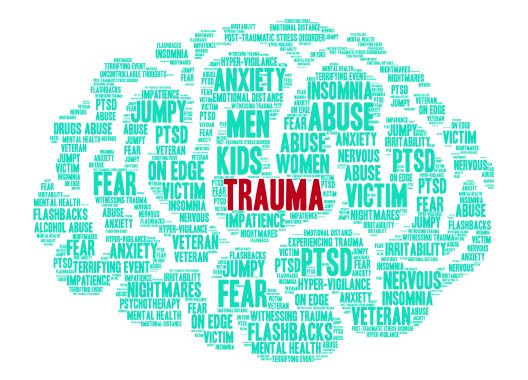
Trauma It's an emotional and physical response overwhelming when faced with stressful or threatening events that surpass a person's coping capacity, leaving lasting marks on the psyche and body. Unlike a difficult experience that we can process naturally, trauma is stored in the nervous system unprocessed, replaying itself in the present through intrusive memories, automatic reactions, and feelings of constant threat. 
When a person experiences trauma, their brain enters survival mode, activating the fight, flight, or freeze responses. If these responses are not completed and the event is not processed adequately, the nervous system remains activated, leading to symptoms such as anxiety, flashbacks, depression, insomnia, and physical changes. Without intervention, this emotional burden can develop into Post-Traumatic Stress Disorder (PTSD) and affect all areas of life.
types of trauma and their psychological effects

Types of Trauma: Not All Are Equal

Understanding what kind of trauma we have experienced is fundamental to choosing the right treatment. Each form of trauma impacts the brain and body differently.

Acute trauma

Acute trauma stems from a single dangerous or threatening event that occurs at a specific moment in life. Common examples include traffic accidents, natural disasters, attacks, sudden loss of loved ones, or traumatic medical experiences. Although it arises from a single incident, its impact can be profound and lasting if not processed correctly.

Chronic trauma

Chronic trauma results from repeated and prolonged exposure to stressful or abusive situations. This type of trauma is characteristic of child abuse, domestic violence, workplace bullying, or prolonged bullying. The persistent nature of these experiences generates patterns of hypervigilance and emotional dysregulation that become consolidated in the personality, making recovery more complex.

Complex trauma

Complex trauma, also known as DESNOS (Disorder of Extreme Stress Not Otherwise Specified), arises from exposure to multiple interpersonal traumatic events, typically of a severe and prolonged nature. It usually originates in contexts where the person has no possibility of escape, such as intrafamilial abuse during childhood. This type of trauma affects identity development, the ability to regulate emotions, and how one relates to others.

Vicarious trauma

Secondary trauma, also known as vicarious trauma, occurs as a result of close contact with someone who has suffered direct trauma. It is common in emergency professionals, healthcare workers, psychologists, social workers, and family members of traumatised individuals. Although the event was not experienced directly, repeatedly hearing the details and empathising with the suffering of another causes similar changes in the nervous system.

Intergenerational trauma

Traumatic patterns that are passed down from one generation to another through family behaviours and values.

Symptoms of Trauma: How it Manifests in Body and Mind

Trauma isn't just a painful memory, it's an experience that lives in the body and conditions one's perception of reality. Its symptoms are grouped into three main categories according to diagnostic classification, though each person experiences them uniquely.
-

Emotional and Cognitive Symptoms

Emotional symptoms of trauma include intense and irrational fear, explosive or suppressed anger, deep sadness, excessive guilt, and shame. Many people experience denial, minimising what happened or blocking the memory entirely. Another common symptom is emotional numbness, a sort of affective blackout that protects against pain but makes it difficult to feel pleasure or connect with others.
On a cognitive level, trauma produces intrusive thoughts, difficulty concentrating, fragmented memory of the event, and negative beliefs about oneself, others, or the world (e.g., «I can't trust anyone» or «the world is dangerous»).
-

Physical Symptoms

The body holds what the mind tries to forget. Physical symptoms of trauma include unexplained chronic fatigue, frequent headaches, digestive problems, a rapid heartbeat without apparent medical cause, persistent muscle tension, especially in the jaw, neck, and shoulders, and sleep disturbances such as insomnia or vivid nightmares. Some people develop an exaggerated sensitivity to sensory stimuli: loud noises, bright lights, or unexpected physical contact startle them disproportionately.
-

Behavioural Symptoms

The behaviour of a traumatised person changes to protect themselves from perceived threats. Avoidance is the most common pattern: fleeing from places, people, conversations, or situations that remind them of the trauma. Hypervigilance keeps the individual in a constant state of alert, scanning their surroundings for danger. Other behaviours include social isolation, irritability, concentration difficulties that affect work or academic performance, and risk-taking or self-destructive behaviours as an emotional coping mechanism.
Conceptual representation of emotional and mental trauma in psychological treatment

Long-term consequences of untreated trauma
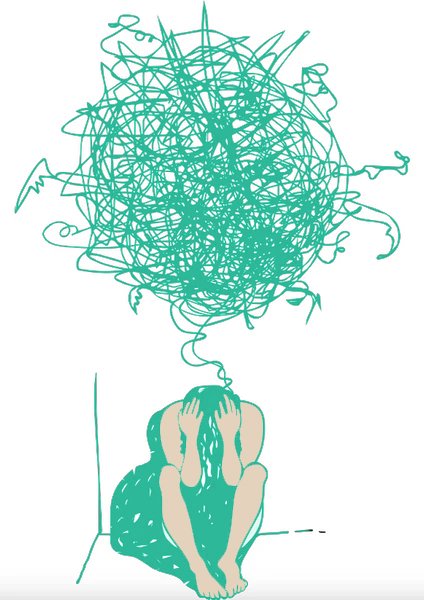
When trauma is not processed, it doesn't disappear, it adapts. The long-term consequences can transform personality, relationships, and physical health.
Post-traumatic Stress Disorder (PTSD) is the most recognised consequence, characterised by re-experiencing the trauma, avoidance and alterations in arousal and reactivity. However, untreated trauma can also manifest as major depression, severe anxiety disorders, dissociative disorders where the person disconnects from reality, personality disorders, substance or behavioural addictions, eating disorders and chronic health problems such as autoimmune diseases, fibromyalgia or irritable bowel syndrome.
Interpersonal relationships suffer particularly: trust erodes, intimacy generates fear, and toxic or avoidant attachment patterns are repeated. Quality of life progressively reduces until seeking help becomes the only viable option.
Human silhouette showing physical and emotional symptoms of trauma

Effective Treatments for Overcoming Trauma

The good news is that trauma can be healed. The brain and nervous system have neuroplasticity, meaning they can be reconfigured with the right treatment. At CALMA Psychologists, we apply evidence-based therapies for the treatment of trauma.
Related article: PTSD

Cognitive Behavioural Therapy (CBT)

CBT for trauma, particularly Cognitive Processing Therapy and Prolonged Exposure Therapy, works by modifying distorted thoughts about the event and reducing avoidance through gradual and safe exposure. It is particularly useful for changing negative beliefs that the trauma has generated about oneself, such as «I am weak» or «what happened was my fault.».
Related article: TCC

EMDR Therapy

Eye Movement Desensitisation and Reprocessing (EMDR) therapy is an effective and extensively researched psychotherapy method. It has been shown to help individuals recover primarily from trauma and other distressing life experiences associated with mental health issues such as post-traumatic stress disorder (PTSD), anxiety, depression, and many other pathologies.

Somatic and Body Therapies

Given that trauma is stored in the body, somatic therapies such as Peter Levine's Somatic Experiencing or Pat Ogden's Sensorimotor Psychotherapy work directly with physical sensations, muscle tension, and nervous system activation states. These techniques help complete interrupted defence responses and restore a sense of bodily safety.
-

Complementary Self-Care Strategies

Self-care does not replace therapy, but it enhances its effect. Regular physical exercise helps to discharge the activation of the nervous system. Mindfulness and meditation practices train the ability to be present without reacting automatically. Quality social support, surrounding yourself with safe and understanding people, provides essential emotional co-regulation for recovery. Restorative sleep, a balanced diet, and the reduction of stimulants such as caffeine and alcohol also contribute to stabilisation.

When to seek professional help?

Trauma is a normal reaction to abnormal events, not a personal weakness. Seeking professional help is fundamental when symptoms persist for more than a month, interfere with work, relationships, or enjoyment of life, or when self-coping strategies are insufficient.
At CALMA Psicólogos, we understand trauma and have therapists specialising in Cognitive Behavioural Therapy, EMDR, and other trauma-informed therapies. We offer a safe space where you can process what has happened without judgment and regain your wellbeing.

Frequently Asked Questions about Trauma


How long does trauma treatment last?

The duration depends on the type of trauma, its complexity, and the individual's resources. Acute trauma can be resolved in 6-12 sessions. Complex trauma requires longer processes that include initial stabilisation, trauma processing, and identity reintegration.

Is it possible to completely overcome trauma?

Yes. Overcoming trauma doesn't mean forgetting what happened, but rather that the memory loses its negative emotional charge and stops conditioning the present. Many people report not only recovery but also post-traumatic growth: developing greater resilience, appreciation for life, and a deep connection with others.

Can I treat my trauma by myself?

Some self-care strategies help, but trauma that generates significant symptoms requires professional intervention. Trying to process traumatic memories without therapeutic containment can be counterproductive and re-traumatising.

A reading that might interest you

BLOG

Post written by Samara Valenzuela

If, after reading this entry, you believe you may need to attend an assessment to determine if you require therapy to overcome trauma and would like to learn more about the professionals who provide it at CALMA PSICOLOGOS, do not hesitate to CLICK.