

Breakups: the 6 uncomfortable truths you need to know
Relationship breakups are part of many life stories, but that doesn't make them easy. A breakup can stir up intense emotions, cause doubt, affect self-esteem, and lead to a profound sense of emptiness. However, understanding what is happening emotionally can help you navigate this process in a healthier way.
At CALMA Psicólogos, we support individuals in Fuengirola and Mijas going through heartbreak, emotional dependency, or difficulties in rebuilding their lives after a separation.
The end of a relationship also involves emotional grief
When a relationship ends, it's not just one person who disappears. Routines, projects, expectations, and a significant part of our emotional identity also break.
Recommended reading: Sometimes I felt like we were flatmates.
Many people experience anxiety, intense sadness, anger, or even depressive symptoms after a relationship breakup. All of this is part of the emotional adjustment process.
Although the pain may seem unbearable at first, it is possible to recover and rebuild emotional well-being with time and the right support.
You might be interested in reading: 8 Types of Couples Therapy

Heartbreak isn't linear
Getting over a romantic breakup doesn't happen in an ordered or progressive way. There are constant emotional ups and downs.
It's normal to have ups and downs
One day you might feel strong and the next you might miss your ex-partner again. This happens because the brain maintains emotional connections associated with memories, routines, and shared experiences.
This is why, often, intense emotions resurface when listening to a song, visiting a specific place, or reconnecting with the other person.
Recommended reading Cómo saber si la terapia de pareja está funcionando
Contact can make the process difficult
Maintaining constant communication with an ex-partner often makes emotional recovery difficult. In many cases, taking a temporary step back allows the brain and emotions to reorganise.
You might be interested in reading: Do you get drawn into arguments?

2. The decision to break up is rarely easy
Even when significant conflicts exist, ending a relationship is often a painful and complex decision.
Emotions, habit, fear of loneliness or emotional dependence can make a person constantly doubt whether they have made the right decision.
Self-esteem is a big influence.
People with low self-esteem often find it harder to end harmful or unfulfilling relationships. Therefore, working on self-love and emotional security becomes crucial after a relationship breakup.
You might be interested in reading: What is self-esteem?

3 A relationship breakup hurts deeply
The emotional pain following a breakup can become very intense. Some research suggests that the brain processes romantic rejection in a similar way to physical pain.
The brain experiences a «deprivation» of the reward system similar to addiction, generating anxiety and obsessive thoughts.
Unlike other types of grief, with break-ups there is the possibility of seeing the other person again or imagining a reconciliation. This can keep hope alive and make emotional closure difficult.
You might be interested in reading: The process of grieving.
Uncertainty increases suffering
Furthermore, many people interpret the breakup as a personal failure, negatively affecting their psychological well-being, even causing anxiety.
Related article: 7 types of anxiety

4. Friendships can also be affected
When a couple breaks up, mutual friends often find themselves in an awkward position.
Social relationships change
Some friendships drift apart to avoid conflict or because people don't know how to act. Other people may feel exhausted by constantly listening to the same emotional suffering.
That's why, during this process, it's important to broaden social support and take care of personal space outside of the previous relationship.
It is beneficial to try to maintain awareness of your own breakup process, allowing yourself time to consciously think about it.
You might be interested in reading: Mindfulness

5. The feeling of loneliness can be very intense
After an emotional connection with someone, the void can be difficult to manage.
The routine changes completely, and many people feel they have lost stability, companionship, or even part of their identity.
Learning to be alone is also growth
Although it may be uncomfortable at first, this period can become an opportunity to reconnect with yourself, strengthen your self-esteem and discover new personal needs.
Immediately seeking another relationship to fill the void often hinders genuine emotional recovery.
- You might be interested in reading: Turn relationship problems into opportunities.
- Related article: How to handle your partner asking for some space

6. Being happy again is indeed possible
During the early moments of a breakup, it's common to think you'll never feel the same way about someone else again.
However, humans have an enormous capacity for emotional adaptation.
Recommended reading When to go to a psychologist
Time helps to reorganise emotions
As time passes, intense emotions subside, making it possible to rebuild personal projects, regain well-being, and reconnect emotionally with others from a healthier place.
Curiosity about emotions: The eyes are the mirror of the soul…
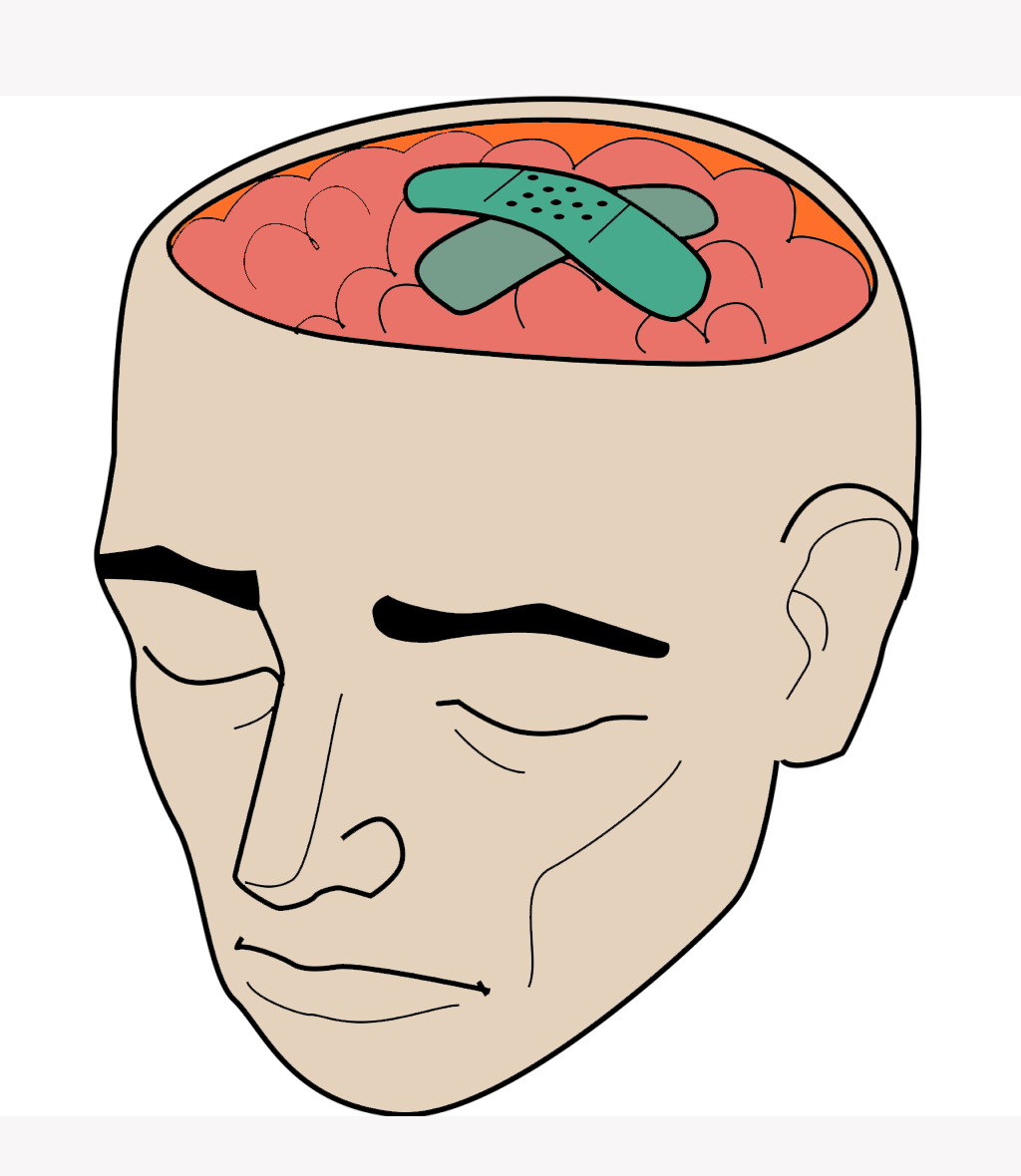
When to seek psychological therapy after a relationship breakup
Seeking professional help can be very useful when:
- Emotional pain lasts a long time.
- There is constant anxiety or depressive symptoms.
- Emotional dependence appears.
- There is difficulty accepting the breakup.
- Self-esteem is badly damaged.
- Relationships of suffering are repeated.
At CALMA Psicólogos, we work with a friendly and professional approach to help you manage heartbreak, strengthen your self-esteem, and regain your emotional balance in Fuengirola, Mijas, and also through online therapy.
Discover: What doesn't work for managing anxiety
Conclusion
A breakup can become one of the most difficult emotional experiences to go through, but also an opportunity to grow, get to know yourself better, and build healthier future relationships.
Always, but perhaps a bit more during a breakup. Success in therapy It has a lot to do with the bond and trust that is generated between therapist and patient.
You might be interested in reading: Therapeutic alliance: what it is
Accepting pain, understanding the process, and asking for help when you need it are fundamental steps to moving forward.

Post written by Samara Valenzuela
If, after reading this entry, you believe you may need therapy and would like to learn more about the professionals who provide it at CALMA PSICOLOGOS, do not hesitate to click.
Bibliographical references
- Sánchez Aragón, R. Faculty of Psychology, UNAM.
- Corbin, J. A. (2015). The 6 uncomfortable truths about breaking up. Psychology and Mind.
- Bowlby, J. (1980). Attachment and Loss. Basic Books.
- Kübler-Ross, E. (1969). On Death and Dying. Macmillan.
If you've come this far, you might like to read:
https://calmapsicologos.com/perfiles-de-la-infidelidad/
Reading material of interest for the holidays:
https://calmapsicologos.com/problema-de-pareja-en-vacaciones/