

The 8 types of couples therapy
Couples therapy is a tool increasingly used by people who wish to improve their relationship, resolve conflicts, or regain emotional connection. There are different types of couples therapy, and each approach works on specific aspects of the bond, communication, and emotions.
At CALMA Psicólogos, we support couples from Fuengirola and Mijas with a professional, approachable, and tailored perspective for each relationship's needs. Understanding the different therapeutic approaches can help you identify which best suits your current situation.
Related article: 5 signs it might be time to go to couples therapy
What is couples therapy?
Couple therapy is a psychological process aimed at improving the emotional relationship between two people when difficulties arise that cause distress, conflict, or emotional distance.
It's not necessary to be on the verge of a separation to seek counselling. Many couples seek professional help to learn how to communicate better, regain trust, or strengthen their bond before problems escalate.
Among the most frequent reasons for starting couples therapy, we find:
- Communication problems.
- Constant arguments.
- Infidelity.
- Jealousy or emotional insecurity.
- Emotional dependence.
- Sexual problems.
- Differences in upbringing.
- Lack of intimacy.
- Emotional distancing.
- Life crises or major changes.
Related article: Couple's therapy: A prelude to divorce or a new love?
Why do different types of couples therapy exist?
Every couple has a history, dynamics, and specific needs. For this reason, psychology has developed different therapeutic approaches to address conflicts from various perspectives.
Some models focus more on emotions, others on behaviour, others on personal history or communication. The goal is always the same: to improve the relationship and reduce emotional suffering.
Understanding the different types of couples therapy allows for a better grasp of how each intervention works and what benefits it can offer.
Related article: Why do some couples cheat and others don't?

Systemic couples therapy
Systemic therapy understands the couple as a system in which both members mutually influence each other. Problems are not analysed individually, but as part of a relational dynamic.
This approach works particularly well:
- Communication patterns.
- The roles within the relationship.
- The implicit rules of a couple.
- Recurring conflicts.
- Learned family dynamics.
Systemic therapy is one of the most widely used approaches in couple therapy because it helps to understand how both partners contribute to the problem and how they can build new ways of relating to each other.
Recommended reading if you are one of those people who: Do you get drawn into arguments?

2. Cognitive behavioural couple therapy
Cognitive behavioural therapy focuses on how thoughts, beliefs and behaviours affect the relationship.
Often, discussions or conflicts are maintained by negative interpretations, unrealistic expectations, or damaging communication habits.
In this type of intervention, we work on:
- The modification of negative thoughts.
- Emotional management.
- Problem-solving.
- Communication skills.
- Positive behavioural changes.
It's one of the types of couple's therapy with the most scientific backing and is usually very effective in cases of frequent arguments, jealousy, insecurity, or difficulties living together.
Recommended reading What is CBT

3. Psychodynamic couples therapy
Psychodynamic therapy delves into unconscious emotional conflicts that affect relationships.
This approach explores:
- Childhood experiences.
- Unresolved emotional wounds.
- Learned affective patterns.
- Defence mechanisms.
- Unconscious ways of relating.
Often, intense emotional reactions within a couple are related to past experiences that remain emotionally charged.
Recommended reading Cómo saber si la terapia de pareja está funcionando

4. Humanistic couples therapy
Humanistic therapy focuses on the personal and emotional growth of each member of the couple.
Work is done from a place of authenticity, empathy and emotional acceptance to foster a healthier and more conscious relationship.
This approach seeks to:
- Improve emotional connection.
- Encourage affective expression.
- Boost self-esteem.
- Develop more authentic relationships.
- Improve listening and mutual understanding.
Humanistic therapy believes that when both people grow emotionally, the relationship also strengthens.
Recommended reading: PENDING

5. Emotionally focused therapy
This type of therapy helps to identify and transform negative emotional patterns that generate distance and suffering.
Many couples find themselves trapped in repetitive cycles of criticism, reproach, withdrawal, or emotional disconnection.
Emotionally Focused Therapy works to:
- Create more secure links.
- Improve the emotional connection.
- Expressing deep emotions.
- Lower emotional defences.
- Restoring trust and intimacy.
It is especially useful when there is a feeling of emotional disconnection or fear of abandonment.
Recommended reading: PENDING

6. Solutions-focused couples therapy
This therapeutic approach focuses more on solutions than on the source of the problem.
The aim is to identify what works in the relationship and build on those positive resources to generate quick and practical changes.
Work is done especially:
- Identifying strengths.
- The specific objectives.
- Immediate changes.
- Practical solutions.
- The couple's personal resources.
It is a useful therapy when both partners are motivated to introduce changes and actively resolve conflicts.
Recommended reading Communication Challenge for Couples

7. Attachment-based therapy
Attachment theory explains how our early emotional experiences influence the way we form emotional relationships.
In this type of therapy, we work on:
- Fear of abandonment.
- Emotional dependency.
- Jealousy.
- Emotional insecurity.
- The difficulties of trusting.
Many times, relationship conflicts are related to insecure attachment styles that generate anxiety, avoidance, or an excessive need for emotional validation.
Recommended reading Do I have a dependent attachment?
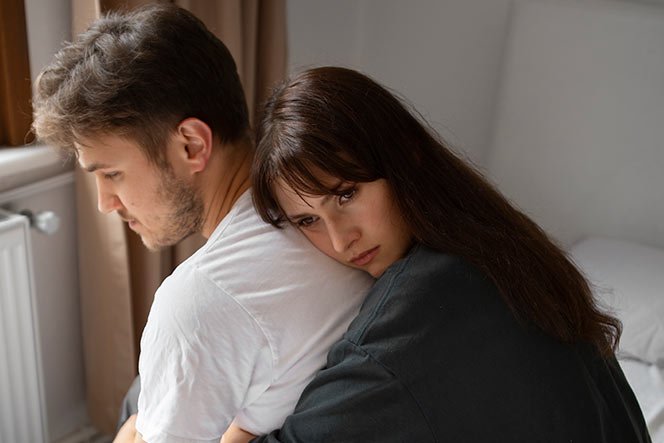
8. Narrative Couple Therapy
Narrative therapy helps the couple to change the negative story they have built about their relationship.
When arguments and distress become chronic, it's common for thoughts like these to appear:
- “We never understand each other.
- “We always argue.
- “We are no longer happy.
- “All is lost.
This approach helps to rebuild a healthier and more flexible narrative, allowing hope to be recovered and the positive aspects of the relationship to be recognised.
Perhaps you would be interested in: Warning signs in a relationship

What type of couples therapy is best?
There is no single valid model for all couples. The best approach will depend on your:
- The type of conflict.
- The personalities of both members.
- The history of the relationship.
- The level of commitment.
- The emotional needs of each person.
In many cases, professionals combine tools from different approaches to tailor therapy to each specific situation.
Any type of success in therapy It has a lot to do with the bond and trust that is generated between therapist and patient.
You might be interested in reading: Therapeutic alliance: what it is
Benefits of couples therapy
Couple's therapy can help with:
- Improve communication.
- Resolving conflicts in a healthy way.
- Regain trust.
- Strengthen the emotional bond.
- Improve coexistence.
- Increasing empathy.
- Regain intimacy.
- Manage major crises.
- Making conscious decisions about the relationship.
Going to therapy doesn't mean failing as a couple. On many occasions, it precisely represents the desire to nurture the relationship and build a healthier cohabitation.
Recommended reading What is the real aim of attending couples therapy
Couples therapy in Fuengirola and Mijas
At CALMA Psicólogos, we offer couples therapy in Fuengirola and Mijas, taking an integrated and personalised approach. Our aim is to help you understand what is happening in your relationship and to provide effective tools to restore your emotional well-being and emotional connection.
Each couple has its own story and deserves a safe space where they can express themselves without judgment and find new ways to relate to each other.
You might be interested in reading the new post from: Couple conflicts on holiday
Conclusion
The different types of couples therapy offer effective tools for tackling conflicts, improving communication, and strengthening the emotional bond. Not all relationships go through difficulties in the same way, which is why it's important to have an approach tailored to each situation.
Seeking professional help can make the difference between maintaining harmful dynamics or building a more conscious, balanced, and healthy relationship.
Post written by Samara Valenzuela
If after reading this entry you believe you may need to attend to assess whether you require COUPLE'S THERAPY and would like to know more about the professionals who provide it at CALMA PSICOLOGOS, do not hesitate to CLICK.