

Complicated Duel: What It Is, Why It Persists, and How EMDR Treats It from the PAI Model
A Complicated Duel: When the PAI System Doesn't Process Loss and How EMDR Can Help
What is complicated grief and why doesn't it disappear with time?
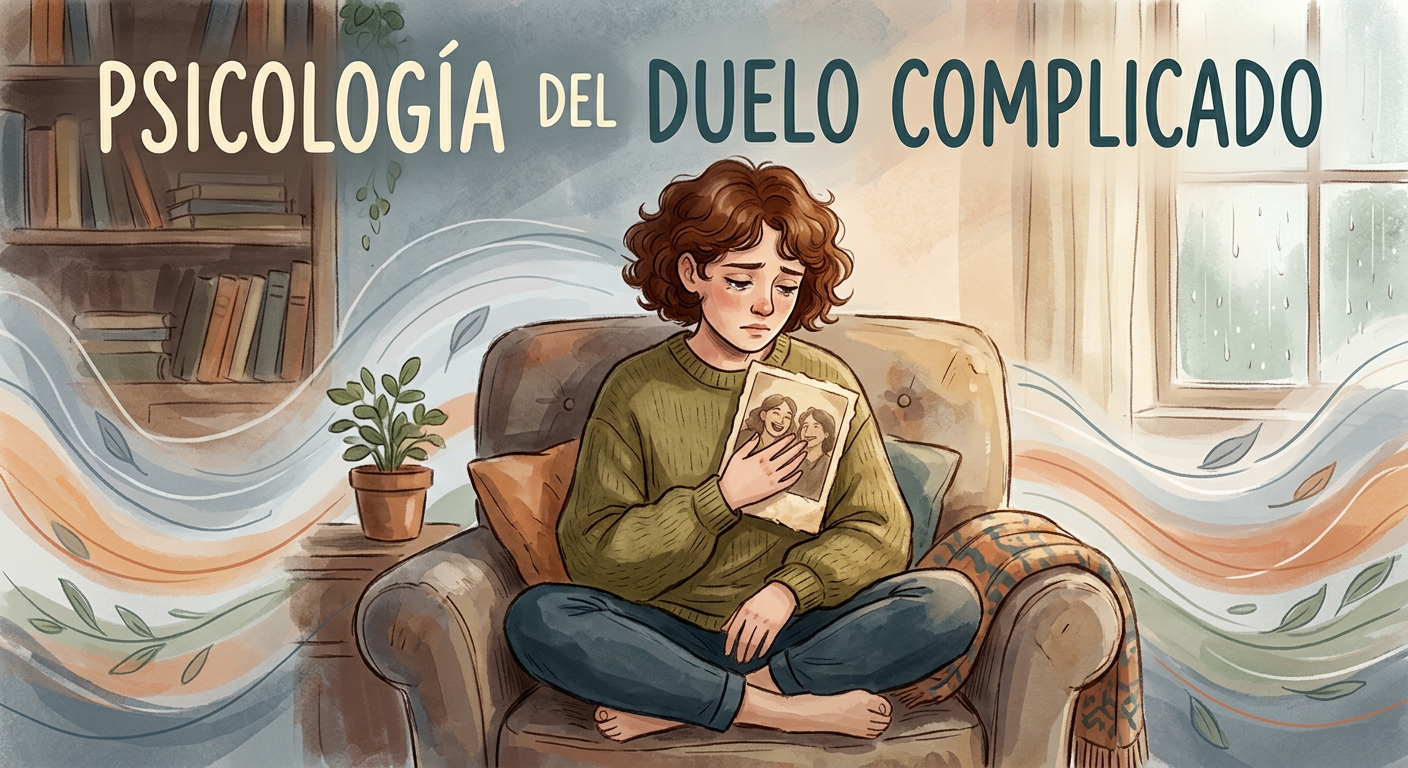
Grief is a natural and universal response to the loss of a loved one. It is the process by which a human being assimilates the absence, reorganises their emotional world, and gradually finds a new way of relating to the memory of the person who is no longer there. However, not all grief evolves adaptively. When the brain's Adaptive Information Processing (AIP) system cannot integrate the experience of loss, pain becomes stagnant, and what mental health professionals call complicated grief or prolonged grief appears.
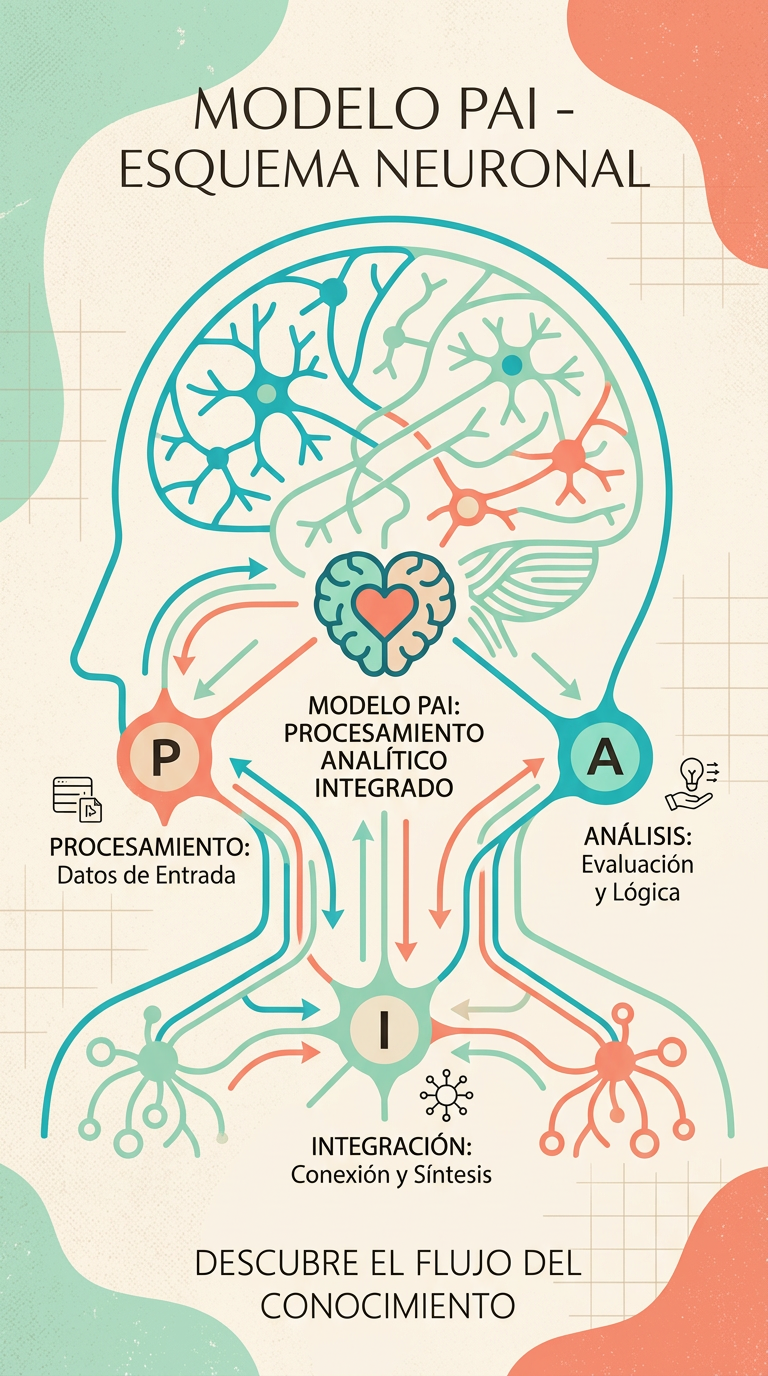
Complicated grief is not a manifestation of emotional weakness nor a voluntary stance of clinging to suffering. From the perspective of the PAI Model, developed by Francine Shapiro as the theoretical basis for EMDR (Eye Movement Desensitization and Reprocessing) therapy, grief that does not resolve is due to a neurobiological block in the processing of information associated with the loss. The memory of the deceased person, along with the intense emotions, bodily sensations, and cognitions that accompanied it, becomes stored dysfunctionally and in isolation within neuronal networks, unable to connect with other more adaptive information networks that the individual already possesses.
This phenomenon explains why some people continue to experience searing pain years after the death of a loved one, as if the loss had only happened yesterday. Information related to grief remains «frozen» in time, retaining all its original emotional intensity and preventing the brain from carrying out the adaptive integration necessary for psychological well-being.
Warning signs: how to distinguish normal grief from complicated grief
Clinical manifestations of complicated grief according to the PAI model
| Neural network component | Complicated grief manifestation |
|---|---|
| Mental images | Vivid flashbacks of death, of the body, or of the moment of farewell; intrusive images that appear without warning |
| Emotions | Intense and unchanging pain, guilt, rage, anxiety, emotional numbness, or extreme alternation between emotional states |
| Bodily sensations | Chest tightness, lump in the throat, chronic fatigue, sleep disturbances, changes in appetite |
| Cognitions | «I can't live without that person», «If only I'd done something different...», «I'll never be happy again», extreme idealisation of the deceased |
| Behaviours | Avoiding places, objects or people associated with the memory; difficulty reorganising life without the person; social isolation |
Key differential criteria
-
Unchanging intensityThe pain does not diminish in intensity with the passage of time; it remains as sharp as in the first few weeks.
-
Extreme idealisationThe deceased is remembered as perfect, without flaws, which makes a realistic acceptance of the loss difficult.
-
Blame cultureThe person attributes excessive responsibility to themselves for a death or for not having done «enough».»
-
Total avoidanceNot only is grief painful, but any contact with memories is avoided, which prevents processing.
-
Functional deteriorationInability to maintain current relationships, work, care for oneself, or find meaning in life.
-
Altered identityThe person no longer knows who they are without the presence of their loved one; their self-image becomes fragmented.
You might be interested in reading: What is the PAI MODEL

The PAI Model applied to grief: why the brain cannot «digest» loss
The neural network of the affective bond
-
Episodic memoriesspecific moments shared together
-
Semantic memorieswhat we know about that person, their personality, their tastes
-
Procedural memorieshow we related to each other, shared rituals, interaction dynamics
-
Internal representations: how that person existed in our internal world, what function they served in our emotional regulation
When the processing system freezes
-
Sudden unexpected death
-
Violent death, accident or suicide
-
Death under circumstances that cause guilt or shame
-
Lack of emotional farewell or closure
-
Death of a child (inversion of the expected life order)
-
Extreme emotional dependency
-
Unresolved conflicts with the deceased
-
Ambivalent relationship (simultaneous love and anger)
-
Identity strongly merged with the lost person
-
Previous history of unprocessed trauma or losses
-
Lack of a social support network
-
Economic or practical difficulties that prevent grieving
-
Cultural or religious beliefs that block the expression of pain
-
Comorbidity with depression, anxiety, or post-traumatic stress disorder
You might be interested in reading: What is EMDR really?
How EMDR treats complicated grief from the PAI Model
The therapeutic principle: reactivate natural processing
Recommended reading The process of grieving.
The reprocessing process in grief
-
Access positive memories of the relationship that balance the pain
-
Develop more adaptive cognitions («I can honour their memory and continue living»)
-
To reduce the negative emotional burden associated with death
-
Experiencing a sense of closure or peace that previously wasn't possible
What changes and what remains
| Before EMDR | After EMDR |
|---|---|
| The memory triggers intense, uncontrollable pain. | The memory can be evoked with sadness, but without the overwhelming burden |
| The person is trapped in the moment of death | The person can access the entire history of the relationship, including the positive moments. |
| Feelings of guilt, worthlessness or hopelessness | Adaptive cognitions about one's own ability to survive and find meaning |
| Bodily sensations of tightness, emptiness, or anguish | Reduction of extreme physiological activation |
| Total avoidance or obsession with remembrance | Capacity for flexible memory, without avoidance or obsession |
Recommended reading EMDR: myths and realities

Scientific evidence of EMDR for complicated grief
Studies and systematic reviews
-
Sprang (2001)It demonstrated that EMDR produced significant reductions in symptoms of trauma and complicated grief compared to waiting lists.
-
Böhm & Völler (2010)Review that highlighted the effectiveness of EMDR for traumatic grief, especially when co-occurring with PTSD.
-
Cvetek (2008)Study that showed significant improvements in patients with complicated grief following EMDR treatment, with maintenance of results at follow-up.
-
Morris & Morris (2012)Review of cases that illustrated the application of the PAI Model to grief, emphasising the importance of reprocessing memory networks.
Institutional recognition
-
The OMS include prolonged grief disorder in ICD-11 (International Classification of Diseases, 11th Revision)
-
The APA Have you considered the inclusion of «Prolonged Grief Disorder» in future editions of the DSM
-
EMDR Europe y EMDR International Association han desarrollado protocolos específicos para el tratamiento del duelo
Related article on expansion: A detailed history of EMDR

EMDR Protocol for Grief: Phases and Special Considerations
Stages of treatment
Special considerations in bereavement
-
Treatment rhythmGrief requires a respectful pace; reprocessing is not forced
-
Significant daysAnniversaries, birthdays, special dates can reactivate symptoms; their management is planned
-
Support figuresWhen appropriate, the inclusion of family members in understanding the process is considered.
-
Existential meaningEMDR can facilitate not only symptom reduction but also the search for new meaning after loss.

Cases in which EMDR for grief is particularly indicated
-
The loss of a childThe disruption of the expected vital order creates a trauma that frequently remains «frozen».»
-
SuicideThe burden of guilt, shame, and unanswered questions blocks natural processing
-
Sudden deathThe absence of a farewell prevents emotional closure.
-
Death in traumatic circumstancesAccidents, violence, natural disasters
-
Accumulated multiple lossesWhen a loss activates previous, unaddressed grief networks
-
Childhood trauma duelEarly losses that shaped the development of the AI system
-
Duel with comorbidityWhen complicated grief coexists with depression, anxiety, or PTSD
Recommended reading PTSD

Frequently Asked Questions about EMDR for Complicated Grief
Will EMDR make me forget the person I lost?
How long does the treatment last?
Is it necessary to talk about death in detail?
Is it possible for me to do EMDR if many years have passed since the loss?
Recommended reading EMDR Find out more
When to seek professional help for complicated grief
- It has been over 6-12 months and the pain is still as intense as when it first started.
- The loss is severely impacting daily functioning (work, relationships, self-care).
- Experiencing trauma symptoms (flashbacks, nightmares, hypervigilance)
- Do you feel you can't talk about the deceased person, or conversely, can you only think about them
- Do you have thoughts of excessive guilt or self-harm?
- Have you developed symptoms of depression or anxiety that are not improving?
Recommended reading 7 types of Anxiety.
At CALMA Psychologists, we support therapeutic processes related to complicated grief with a personal, professional, and evidence-based approach.
Following an initial session, we can assess whether to begin EMDR therapy in Fuengirola – Mijas, to help you understand if this approach is suitable for you and to support you throughout the grieving process.
Any type of success in therapy It has a lot to do with the bond and trust that is generated between therapist and patient.
You might be interested in reading: Therapeutic alliance: what it is

Post written by Samara Valenzuela
If, after reading this entry, you think you might need to seek evaluation to see if you require EMDR therapy, and you would like to learn more about the professionals who offer it at CALMA PSICOLOGOS, please do not hesitate to CLICK.
References and Bibliography
Reference books and chapters
Scientific articles
Clinical guidelines and consensus statements
Quick read to expand information on EMDR and/or related topics:
- What is TRAUMA? https://calmapsicologos.com/es/que-es-un-trauma/
- Therapy service EMDR at Calma Psicólogos
- Treatment for the Calm Duel Psychologists