
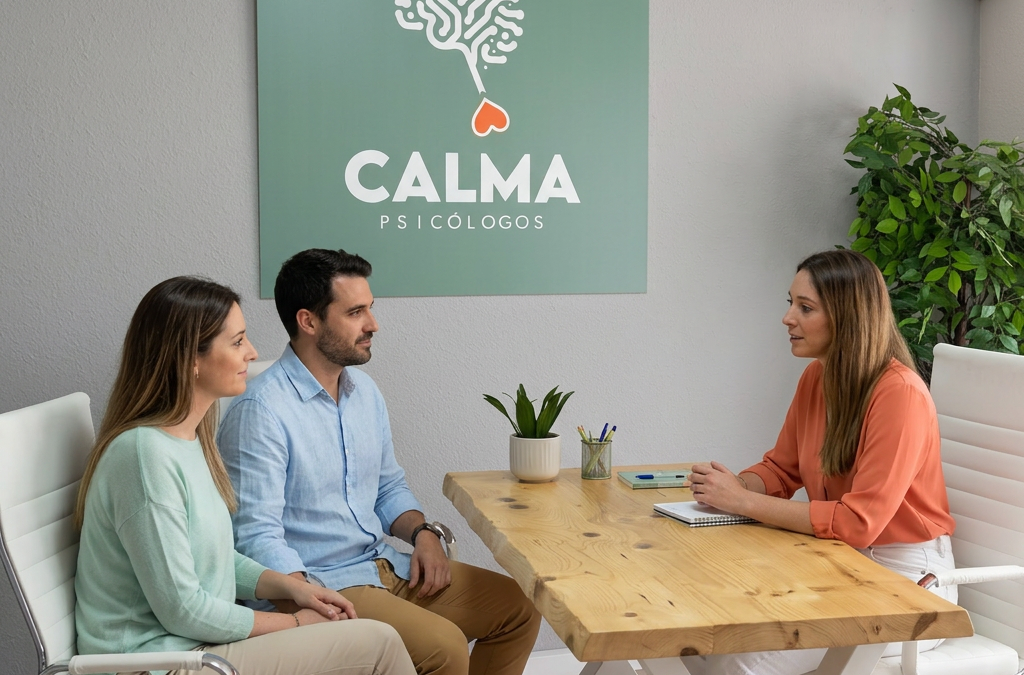
Couple's therapy: when it is useful and when it is not
The Couples therapy in Fuengirola It is one of the most frequent queries in clinical psychology, especially among people who feel their relationship is going through a difficult time and don't know if therapy will actually be useful. In this post, we'll show you how to tell when couples therapy is helpful and when it's a waste of money.
Many couples arrive with doubts, fear of “wasting time” or losing money, with the worry that it's too late, or even shame for admitting they need help. These emotions are completely normal and are part of the process of seeking support.
In this article you'll find a clear, professional, and approachable guide to help you understand When couple's therapy can make a real difference, when it may not be the right option and what alternatives exist.
The aim is for you to be able to make an informed decision, without pressure and with a broader vision of what initiating a therapeutic process involves.
You might be interested in reading: When to go to couples therapy
What is couples therapy really?
Couples therapy is a professional space where two people can explore their relationship with the help of a specialist psychologist. It's not about “saving the relationship at all costs”, but rather understanding what is happening, what each member needs, and which path is healthiest for both.
A guided and structured process
In the initial sessions, the psychologist gathers the couple's history, identifies communication patterns, analyses recurring conflicts, and establishes clear objectives. These objectives may include:
-
Improve communication.
-
Recovering emotional connection.
-
Manage conflicts in a healthier way.
-
Rebuilding trust.
-
Handle a one-off crisis.
-
Decide whether to continue or separate respectfully.
The role of the couple's psychologist
The professional does not act as a judge or arbitrator. They do not seek to assign blame or take sides. Their role is to facilitate dialogue, help to understand what is happening, and support the couple in making decisions.
Online couples therapy: a valid alternative
For many couples in and around Fuengirola, online therapy offers flexibility and continuity. It is just as effective provided there is commitment and a safe environment in which to work.
Related article: Sometimes I get the feeling that more than a couple, we're flatmates…
Signs that couples therapy may be helpful
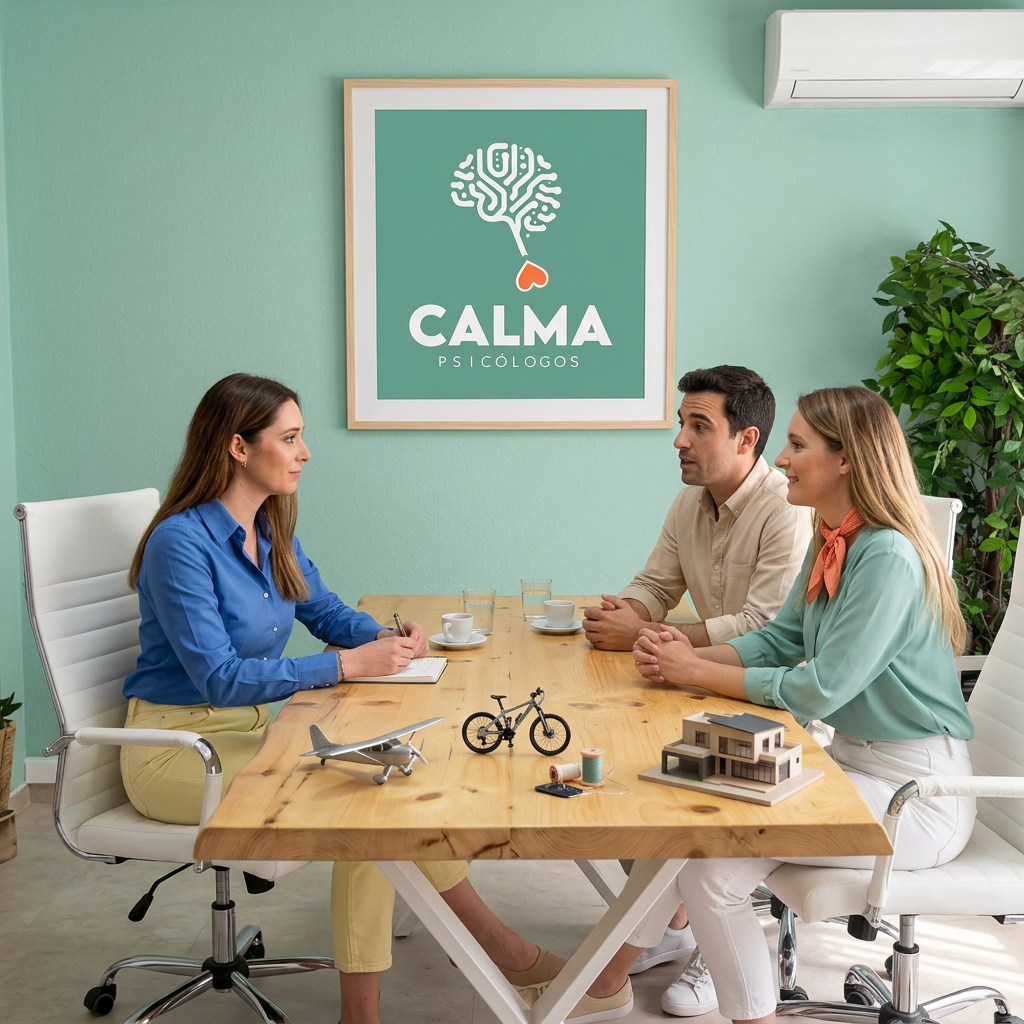
Most couples don't go to therapy for a single problem, but rather for an accumulation of signs indicating that something isn't working. Some of the most frequent ones are:
-
Recurring arguments that remain unresolved.
-
Emotional distance or a feeling of disconnection.
-
A decrease in intimacy.
-
Accumulated resentment.
-
Conflict avoidance or contact avoidance.
-
Coldness or indifference.
-
Feeling of living like flatmates.
When dialogue turns into confrontation
If any conversation ends in an argument, even about small things, it's a clear sign that communication is broken.
Painful silences
Silences can be a refuge or a punishment. When they become tense, punitive, or charged with distance, the relationship needs attention.
Avoidance and flight
When one or both members avoid talking, sharing, or even spending time together, the relationship is crying out for help.
Recommended reading Stop getting caught up in arguments

When can it be too late for couples therapy?
Although Couples therapy in Fuengirola it can be very effective, there are situations where the process may not work or may not be the right option.
Emotional indifference
When there is no longer interest, nor pain, nor questions, nor desire to rebuild, therapy can turn into a sterile analysis of the past.
Previous decision to separate
If one of the two has already firmly decided to end the relationship, therapy cannot reverse it.
Therapy as a “formality”
Only attending to “make do” or to assuage guilt tends to generate frustration and little involvement.
Recommended reading What makes an LGTBIQ+ relationship succeed.
Situations in which couples therapy is not recommended
Lack of safety or respect
Couples therapy requires some basics: respect, safety, and a willingness to self-reflect. Without these elements, the process can be damaging.
Violence or control
In cases of physical, psychological, economic, or sexual violence, couples therapy is NOT appropriate. The priority is individual safety and support.
Manipulation or gaslighting
When toxic dynamics of control, humiliation, or devaluation exist, joint therapy can reinforce the harm.
Toxic relationship Red flags in a relationship
Alternatives when couples therapy isn't the best option
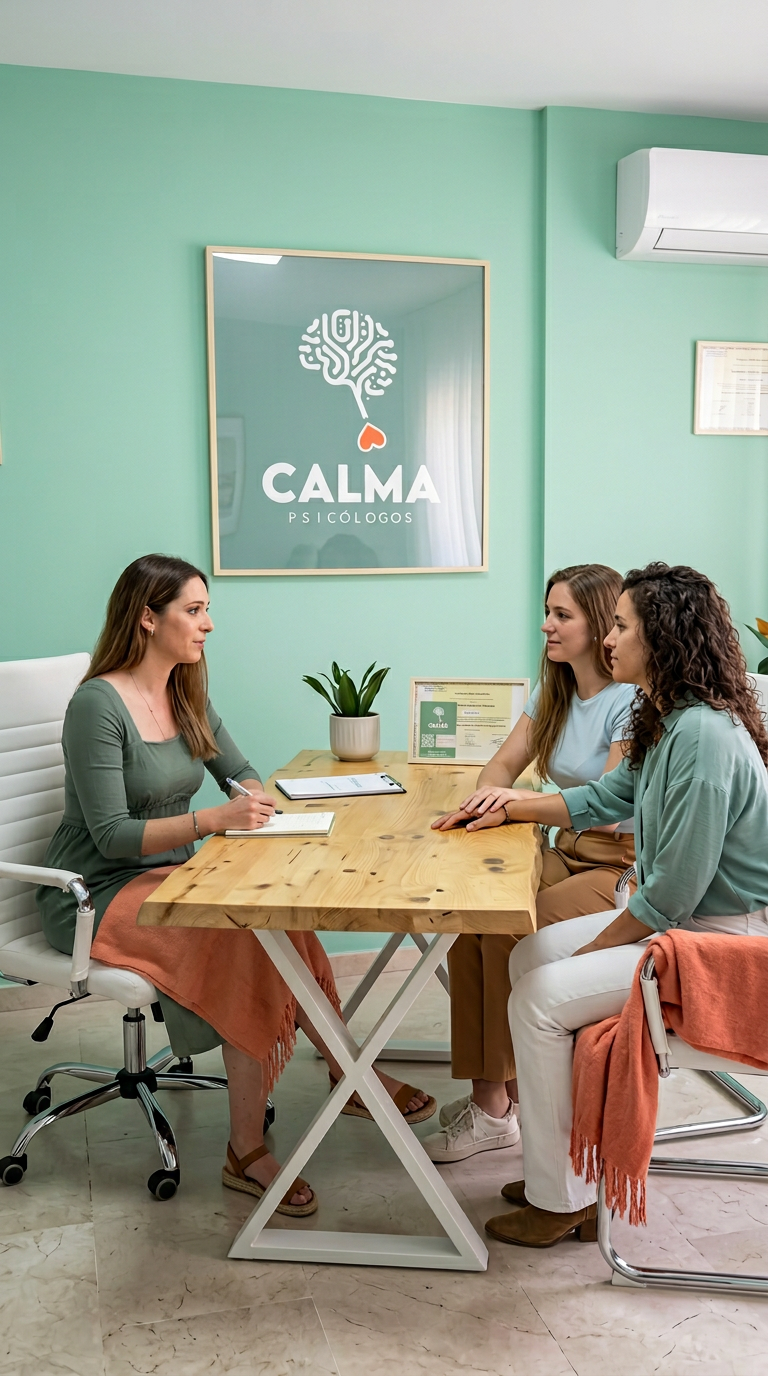
- Individual therapy to clarify emotions and needs.
- Advice for separation When the relationship is coming to an end.
- Specific interventions About communication or co-parenting.
- Psychoeducational programmes to improve relational skills.
- Protection resources in cases of risk or violence.
If one of you doesn't want to go to therapy
It's common for one member to be motivated and the other not. Some signs of a lack of involvement are:
- Passive presence.
- Jokes or strategic silences.
- “I'm coming for you, not for me.
In these cases, individual therapy can be a helpful first step.
Recommended reading When to go to a psychologist
Rebuilding trust: is it possible?
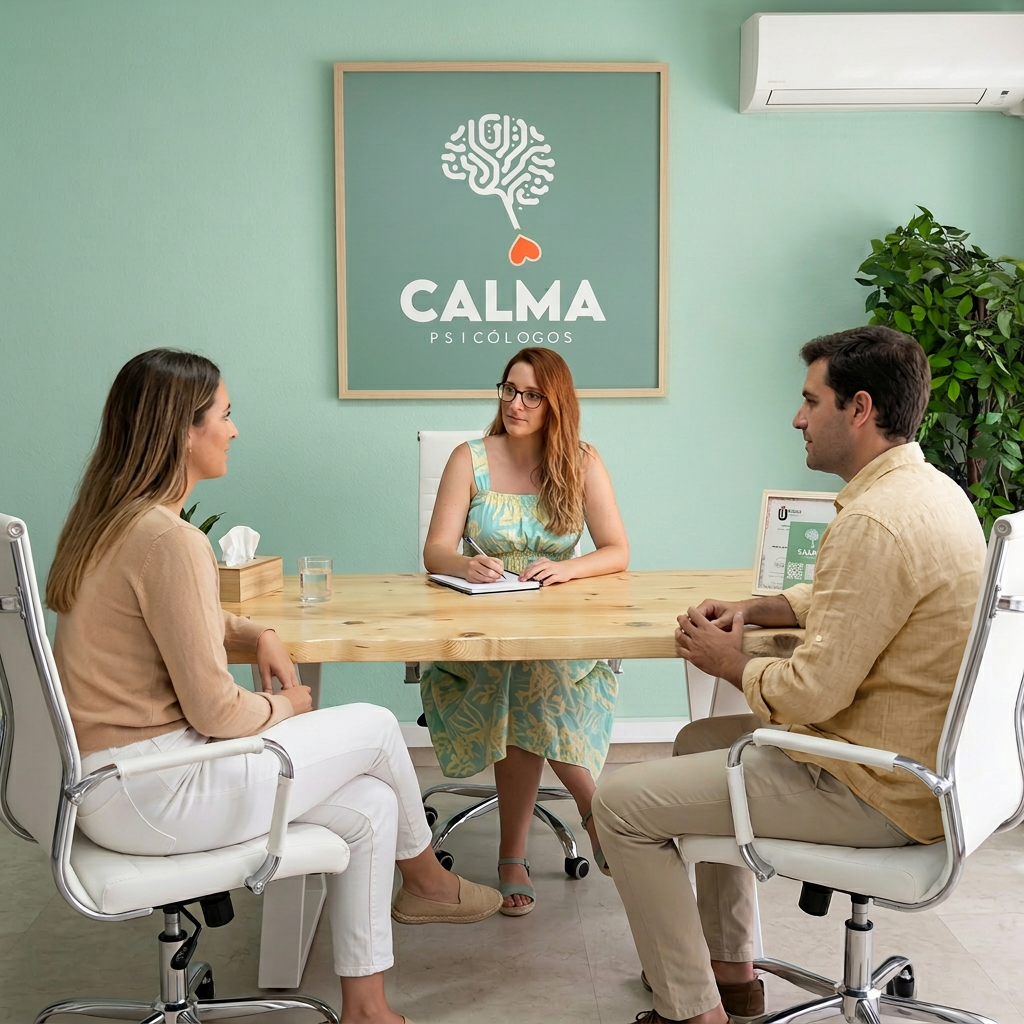
Trust can be regained if there is:
-
Transparency.
-
Taking on responsibilities.
-
Coherence in time.
-
Genuine will to change.
When negation, minimisation or ambiguity predominates, the process becomes blocked.
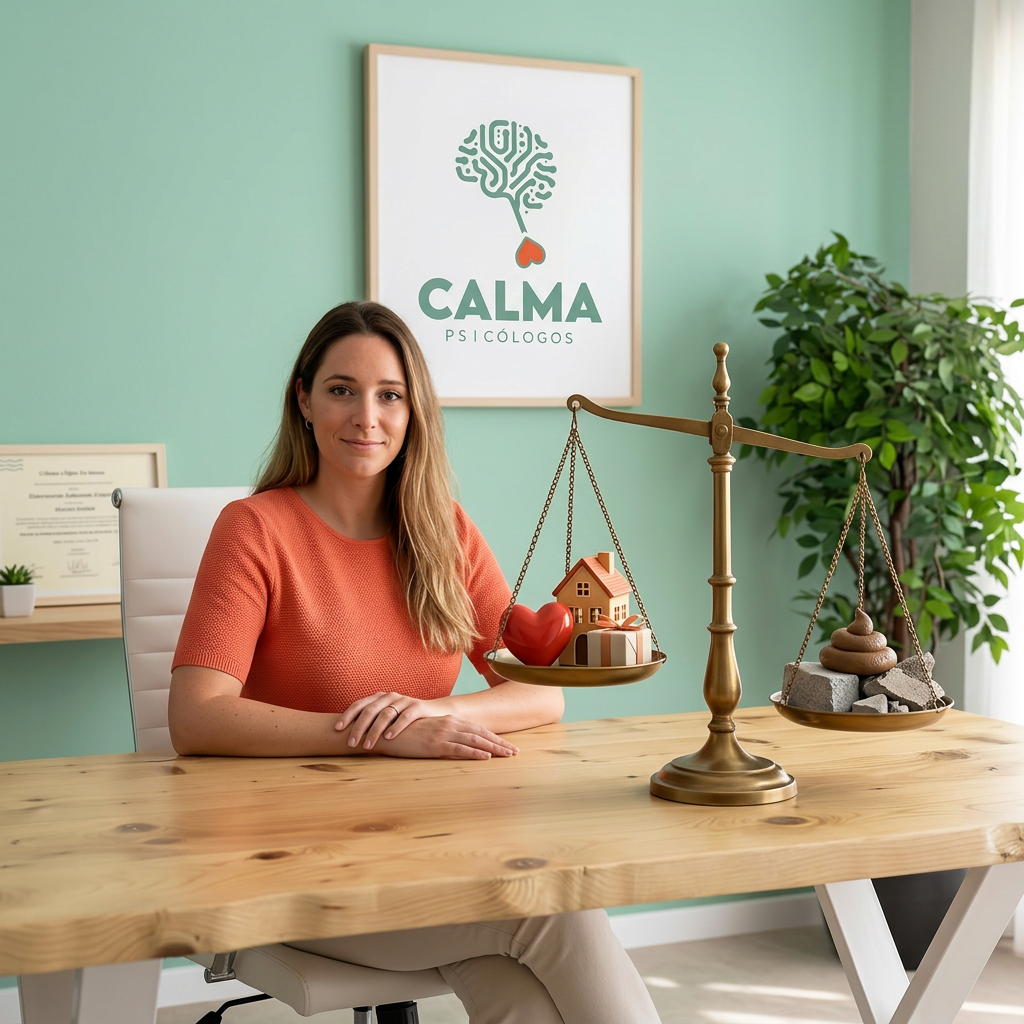
What if therapy seems to make things worse?
It's normal for tensions to arise at first: avoided topics are brought up and vulnerabilities are exposed. This doesn't mean that therapy isn't working.
Real red flags would be:
-
More destructive discussions.
-
Sabotage of the process.
-
Fear of the therapist or constant devaluation.
When therapy leads to a respectful separation
Sometimes, therapeutic success consists of recognising that the relationship has come to an end and helping the couple to separate with respect, clarity, and care, especially if there are children.
First visit to the psychologist: what to say, what to expect...
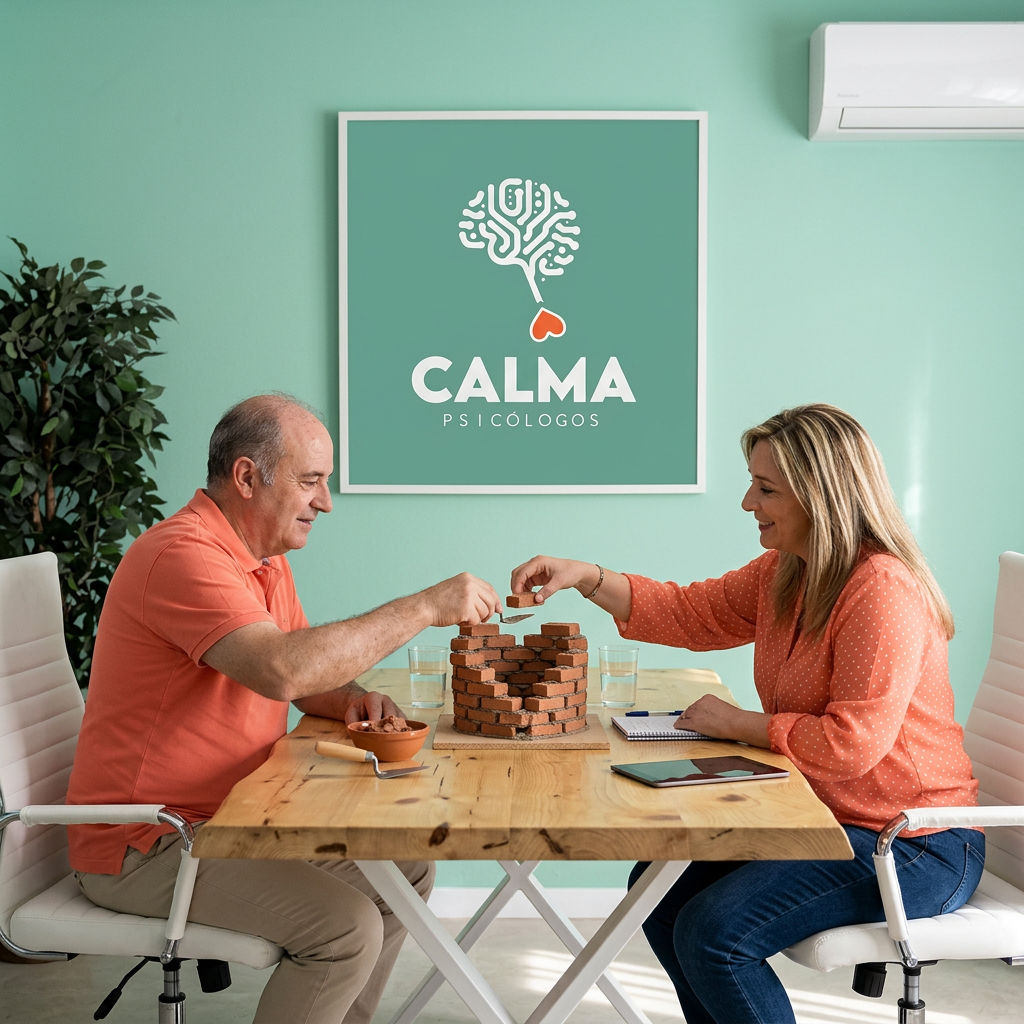
When to ask for professional help
-
When the relationship hurts more than it gives.
-
When communication has broken down.
-
When there is persistent doubt about the future.
-
When you feel you can't move forward alone.
The Couples therapy in Fuengirola it can be a safe space to understand what's happening and decide on the healthiest path forward for both of you.
At CALMA Psychologists we have professionals specialising in Couple therapy in Fuengirola and Mijas. If you are going through a difficult situation in your relationship and need professional support, we will be happy to accompany you in your process.
Post written by Samara Valenzuela
If, after reading this entry, you believe you may need therapy and would like to learn more about the professionals who provide it at CALMA PSICOLOGOS, do not hesitate to click.
Bibliographical references
- Psicología y Psicoterapia Miguel Ángel. (2019). The objective of couples therapy is to address and resolve issues within a romantic relationship, improve communication, and strengthen the bond between partners.. Psychology and Mind.
- Castanyer, O. (2003). Assertiveness: the expression of healthy self-esteem. Desclée de Brouwer.
- Gottman, J. M. & Silver, N. (2015). The Seven Principles for Making Marriage Work. Harmony Books.
- Lebow, J. L., Chambers, A. L., Christensen, A., & Johnson, S. M. (2012). Research on the treatment of couple distress. Journal of Marital and Family Therapy.