

Cognitive Behavioural Therapy: what it is and how it can help you
Cognitive Behavioural Therapy (CBT) is one of the most widely used and studied forms of psychotherapy worldwide.
Its effectiveness has been widely supported by scientific evidence, especially in the treatment of problems such as anxiety, depression, phobias, stress, or obsessive thoughts.
At CALMA Psicólogos, in Fuengirola and Mijas, we use Cognitive Behavioural Therapy tools adapted to each person's needs, with a practical, approachable, and real-change-oriented focus.
Recommended reading When to go to a psychologist
What is Cognitive Behavioural Therapy?
Cognitive Behavioural Therapy, also known as CBT, is a model of psychological intervention that works on the relationship between:
- Thoughts
- Emotions
- Behaviours
The main idea is simple: the way we interpret what happens to us directly influences how we feel and how we act.
For example, two people can experience the same situation in completely different ways depending on their thoughts about it.
CBT helps to identify the mental and behavioural patterns that cause distress, so that they can be replaced with healthier, more functional ones.
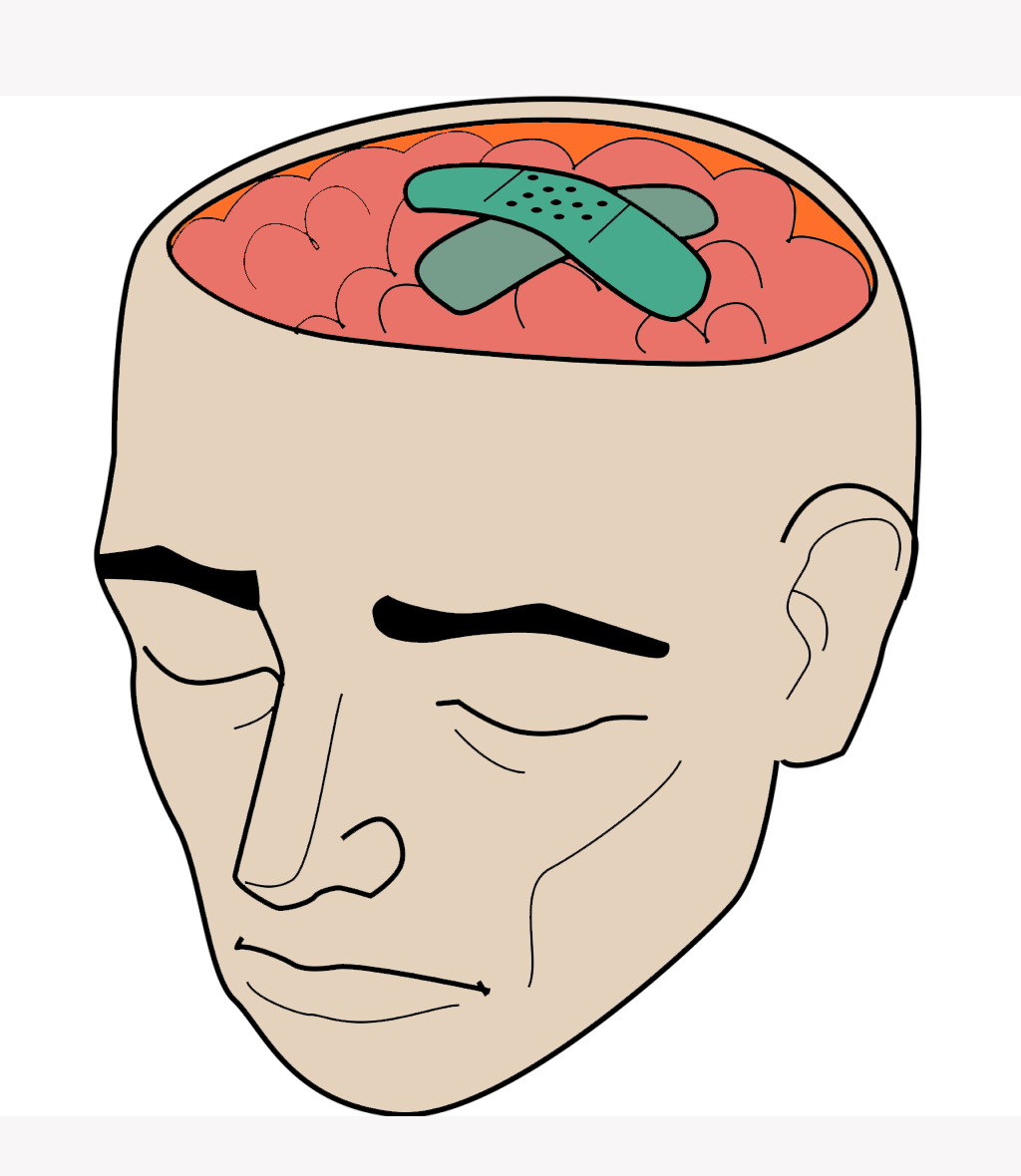
What is Cognitive Behavioural Therapy based on?
CBT combines principles from cognitive psychology and behavioural therapy.
Essay on thoughts
Often psychological suffering is related to automatic negative interpretations:
- “I’m not good enough”
- “Everything is going to go wrong”
- “I can’t cope with this”
In therapy, we learn to identify these thoughts and question them.
A study on behaviour
As well as addressing thought patterns, CBT also addresses the habits and behaviours that perpetuate the problem.
For example:
- Avoidance
- Compulsive behaviours
- Emotional dependency
- Procrastination
- Social isolation
You might be interested in reading about Agoraphobia
Making small changes to your behaviour can lead to significant emotional changes.

How does a CBT session work?
Cognitive Behavioural Therapy is usually structured, practical and focused on specific goals.
During the sessions, we work towards:
- Understanding what is causing the problem
- Detect harmful thought patterns
- Learning emotional tools
- Changing maladaptive behaviours
- Improving emotional management
The aim is not just to talk about what is happening, but to learn useful strategies for everyday life.
What problems can Cognitive Behavioural Therapy treat?
Scientific evidence shows that CBT is effective in treating a wide range of psychological problems.
Anxiety and panic attacks
Helps to reduce catastrophic thoughts and physical symptoms of anxiety.
Depression
It helps you change negative thought patterns and re-establish healthy habits.
Phobias
Work on avoidance and fear using progressive exposure techniques.
Related article: PHOBIA: WHAT IS IT
Stress and emotional management
It improves emotional regulation and coping skills.
You might be interested in reading: Am I suffering from stress or anxiety?
Self-esteem issues
It helps you identify limiting beliefs about yourself.
OCD and obsessive thoughts
Help to break the cycle between obsession and compulsion.
Expand information on THE TOC

Why does CBT have so much scientific evidence?
Cognitive Behavioural Therapy is one of the most researched psychological models.
This is because:
- Your objectives are measurable
- The techniques can be evaluated scientifically
- Therapeutic advancements can be observed objectively
Numerous studies show significant improvements in people undertaking this type of psychological therapy.
Does CBT work for everyone?
There isn't a single therapy that works for everyone.
Although CBT is highly effective, treatment must always be adapted to the individual characteristics of each patient.
That's why, at CALMA Psychologists, we combine cognitive-behavioural techniques with other therapeutic tools such as:
- Emotional therapy
- Mindfulness
- Regulation of the nervous system
- EMDR
(Related article. You might be interested in: What is EMDR?)
The objective is to offer a personalised, evidence-based intervention.

Post written by Samara Valenzuela
If, after reading this entry, you believe you may need therapy and would like to learn more about the professionals who provide it at CALMA PSICOLOGOS, do not hesitate to click.
Bibliographical references
Field, T.A., Beeson, E.T., Jones, L.K. (2015). The New ABCs: A Practitioner’s Guide to Neuroscience-Informed Cognitive-Behavioural Therapy. Journal of Mental Health Counseling.
Froggett, L. y Richards, B. (2002). Exploring the Bio-psychosocial. European Journal of Psychotherapy & Counselling.
Seligman, L.D., Ollendick, T.H. (2011). Cognitive-behavioural therapy for anxiety disorders in young people. Child and Adolescent Psychiatric Clinics of North America.
Spurgeon, J.A., Wright, J.H. (2010). Computer-assisted cognitive-behavioural therapy. Current Psychiatry Reports.
Wampold, B.E., Flückiger, C., Del Re, A.C., Yulish, N.E., Frost, N.D., Pace, B.T., et al. (2017). In pursuit of truth: A critical examination of meta-analyses of cognitive behaviour therapy. Psychotherapy Research.
Arturo Torres. (2015, 13 November).Cognitive Behavioural Therapy