
Indicadores de que una relación de pareja es tóxica
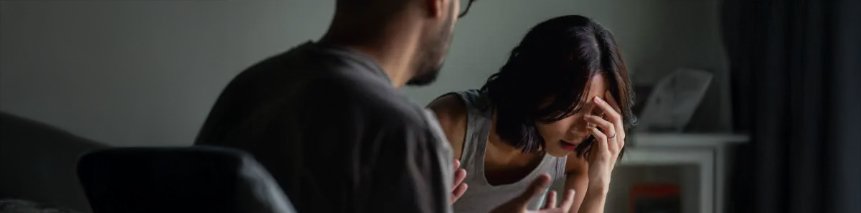
¿Qué es una relación tóxica?
A veces, cada vez más por el incipiente alarde de información pseudo profesional en redes sociales, usamos esta palabra a la ligera, pero entenderla bien, es el primer paso para identificar si estamos dentro de una dinámica de pareja dañina.
Además de es post quizás te interesa read our entry on dependent attachment and insecure attachment.
Principales señales de una relación tóxica
You constantly feel guilty
Even when you did nothing wrong, you feel that everything that happens is your responsibility.
They control or supervise you too much
Revisar tu móvil, controlar con quién hablas o dónde estás no es amor: is control
Te aíslan de tu entorno
You gradually stop seeing your family or friends because your partner disapproves or creates conflict.
There are insults, scorn or humiliation
Aunque sean “bromas”, estos comentarios minan tu autoestima y afectan profundamente.
Emotional blackmail is often involved
“Si me dejas, me hundo”, “con todo lo que he hecho por ti”… son frases de manipulación: no de amor.
You can't be yourself
You hold back, you are cautious to avoid upsetting your partner, you change the way you are for fear of generating conflict.

¿Por qué cuesta salir de una relación así?
La toxicidad a menudo está mezclada con momentos de afecto que confunden mezclan apego ansioso con culpa, manipulación con «amor», momentos de euforia con momentos de sufrimiento.
A veces pensamos que con amor basta, pero lo ciertos es los vínculos con otras personas, y en especial con la paredja deben construir, no destruir.
A veces es sano entonar: ¡Contigo no bicho!
¿Cómo puede ayudarte la asistir a terapia en estos casos?
In couples (or individual) therapy, you can work:
-
El reconocimiento de patrones dañinos
-
Your self-esteem, and improve how you feel about yourself.
-
El establecimiento de límites
-
El acompañamiento, si decides terminar la relación tendrás un apoyo profesional con tu terapeuta, pautas y seguimiento periódico.
Therapy is not to judge you, but to help you regain your voice and your wellbeing.
How to move forward
¿Te sientes identificada/o?
No estás sola/o
No lo ignores. Hablarlo con un profesional puede ayudarte más de lo que imaginas.
Si algo de esto resuena contigo, no es casualidad. Escucharte es el primer paso. En nuestro gabinete de psicología te ofrecemos un espacio seguro para hablar, sin juicios.
Post written by Samara Valenzuela
Si tras leer esta entrada crees que puedes necesitar ayuda y te gustaría conocer más sobre Samara como profesional, no dudes en hacer CLICK y visitar su perfil de contacto.