
Mindfulness: what it is, benefits and how to apply it in your daily life
Mindfulness, or full awareness, has become one of the most widely used psychological tools for improving emotional well-being, reducing stress, and learning to relate to our thoughts and emotions in a healthier way. At CALMA Psicólogos, we work with Mindfulness in Fuengirola and Mijas as a therapeutic complement within different psychological processes.
Although many people associate mindfulness solely with meditation, it is in fact a way of training attention and developing a more conscious relationship with the present moment.
Recommended reading When to go to a psychologist
What is mindfulness?
The term mindfulness can be translated as “atención plena” or “atención consciente”. It refers to the ability to pay attention to the present moment intentionally and without judging the experience.
One of the best-known authors in this field, Jon Kabat-Zinn, defines mindfulness as:
“Paying attention intentionally to the present moment, without judgment.
This means observing thoughts, emotions, and bodily sensations as they arise, without trying to avoid them or react automatically to them.
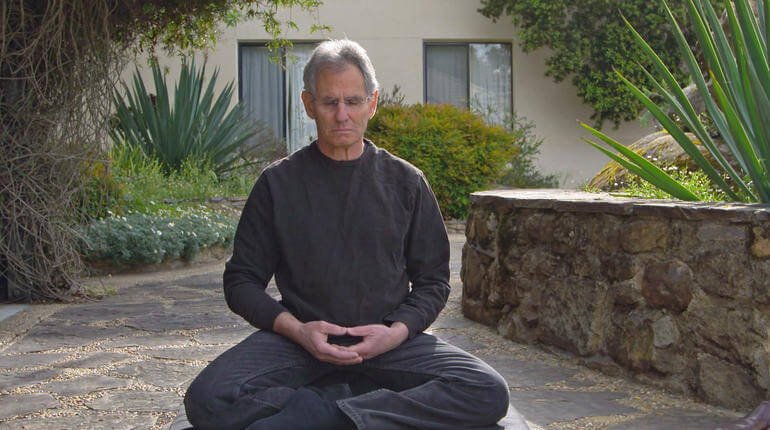
Why do we live on autopilot?
A lot of the time our minds operate on autopilot. We are constantly thinking about the future, pending tasks, or past situations, disconnecting ourselves from the present.
It's usual:
- Eating without paying attention to the taste.
- Walking while thinking about problems.
- Holding conversations without really listening.
- Living with a constant feeling of being rushed.
The practice of mindfulness helps precisely to interrupt that “autopilot” and regain connection with the here and now.

The difference between mindfulness and meditation
Although related, mindfulness and meditation are not exactly the same.
Formal meditation
Formal practice involves dedicating a specific amount of time to training attention through guided or silent exercises.
- Mindful breathing.
- Body scan.
- Thought observation.
- Attention to sounds or sensations.
Mindfulness in everyday life
Mindfulness can also be practised informally during everyday activities.
- Mindful eating.
- Taking a shower with attention to sensations.
- To walk while observing your surroundings.
- Listening to another person with full presence.
The key is to learn to be present without judgment.
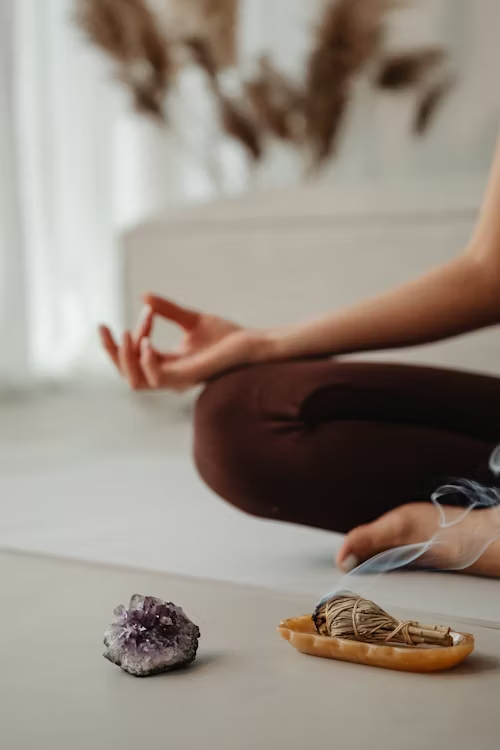
Psychological benefits of mindfulness
Numerous scientific studies currently support the benefits of mindfulness for mental and emotional health.
Stress and anxiety reduction
Mindfulness can help to reduce the physiological activation associated with stress and promote greater emotional regulation.
Many people who practice mindfulness learn to:
- Identify automatic thoughts.
- Reduce mental rumination.
- Better managing anxiety.
- Reduce emotional impulsivity.
Related article Am I stressed or anxious?
Improving emotional regulation
Regular practice allows for the development of a more balanced relationship with emotions, avoiding automatic reactions to them.
This doesn't mean stopping feeling difficult emotions, but learning to observe them without getting caught up in them.
More self-compassion
One of the most important effects of mindfulness is the development of a kinder attitude towards yourself.
Many people live trapped in constant self-criticism. Mindfulness fosters a more compassionate relationship with our own difficulties.
You might be interested in reading about: Self-esteem and self-perception
Improving concentration and attention
Training attention helps improve concentration ability and decrease mental dispersion, especially in individuals with high stress levels.

Mindfulness and psychological therapy
Mindfulness has been integrated into different therapeutic models currently used in clinical psychology.
At CALMA Psicólogos, we incorporate techniques from Mindfulness in Fuengirola and Mijas within different therapeutic processes when it is beneficial for the person.
Mindfulness-based cognitive therapy
This approach combines tools from cognitive behavioural therapy with mindfulness practices to help modify the relationship with thoughts and emotions.
Find out more about: cognitive therapies
Stress reduction programmes
Mindfulness-based programmes have shown effectiveness in:
- Chronic stress.
- Depression.
- Insomnia.
- Chronic pain.
- Emotional regulation.
- Anxiety.
Related article: 7 types of anxiety

A simple mindfulness exercise to start
Would you like to try this basic mindful breathing exercise?
- Find a comfortable position.
- Focus on your breathing.
- Observe how the air enters and exits.
- When thoughts appear, simply observe them.
- Gently return to your breath.
It's not about “emptying the mind,” but about training the ability to observe without reacting automatically.

How to incorporate mindfulness into your daily routine
Some practical recommendations to get started:
Start with a few minutes
You don't need long sessions. You can start with 5 minutes daily.
Always practise at the same time
Creating a routine makes it easier to maintain the habit.
Bring mindfulness to everyday activities
You can practise mindfulness while:
- Comes.
- You walk.
- You listen to music.
- Do you drink coffee?.
- Conversations with someone.

What mindfulness IS NOT
There are many misconceptions about mindfulness.
Mindfulness is not about:
- Think positively all the time.
- Remove negative emotions.
- Leave the mind empty.
- Become a “perfectly zen” person.
- Escaping emotional pain.
Mindfulness seeks to learn to relate to our inner experience in a more conscious and healthy way.
Article in progress: Toxic positivity

When seeing a therapist can help you
Although mindfulness can be practiced autonomously, psychological support can be particularly useful in some cases.
Therapy can help you if you are experiencing:
- Constant anxiety.
- High stress.
- Rumination.
- Emotional difficulties.
- Low self-esteem issues.
- Emotional block.
Related article: Settled upon waking
At CALMA Psychologists We work from an integrative approach using evidence-based tools to help you improve your emotional wellbeing.
Psychological therapy and mindfulness in Fuengirola and Mijas
At CALMA Psicólogos, we offer in-person and online therapy tailored to each person's needs. We integrate mindfulness tools when they can be helpful within the therapeutic process.
We work with adults, adolescents and couples from an approachable, professional and evidence-based perspective.
Any type of success in therapy, including with mindfulness It has a lot to do with the bond and trust that is generated between therapist and patient.
You might be interested in reading: Therapeutic alliance: what it is

Post written by Samara Valenzuela
If, after reading this entry, you believe you may need therapy and would like to learn more about the professionals who provide it at CALMA PSICOLOGOS, do not hesitate to click.
Bibliographical references
- Sánchez Aragón, R. Faculty of Psychology, UNAM.
- Corbin, J. A. (2015). The 6 uncomfortable truths about breaking up. Psychology and Mind.
- Bowlby, J. (1980). Attachment and Loss. Basic Books.
- Kübler-Ross, E. (1969). On Death and Dying. Macmillan.