

The 7 Types of Anxiety: What They Are, Symptoms, and Causes
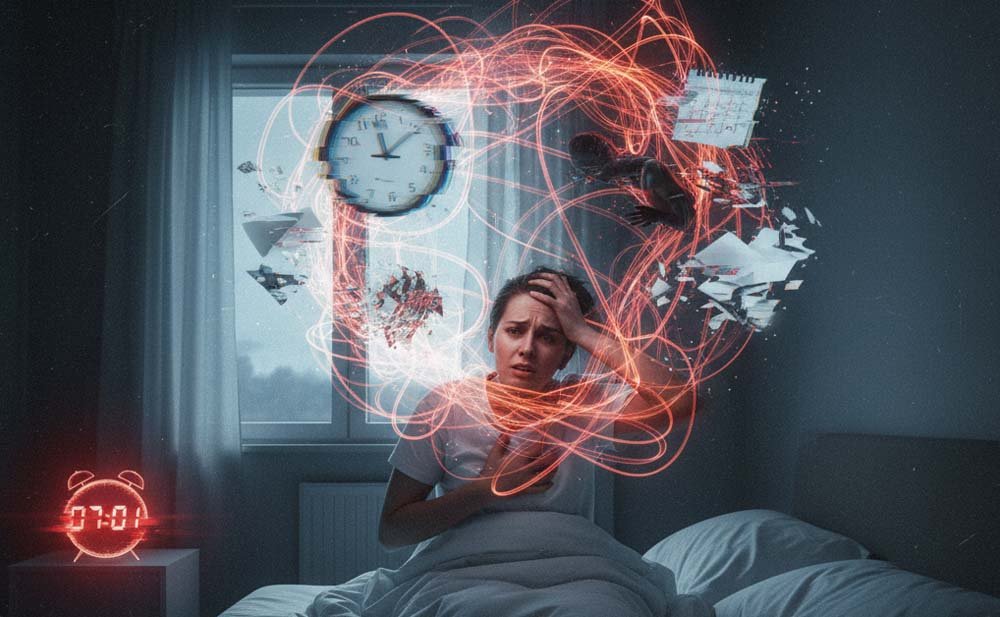
Anxiety is one of the main reasons many people seek psychological therapy. Understanding the different types of anxiety It is key to being able to identify what is happening and how to address it effectively.
At CALMA Psicólogos, in Fuengirola and Mijas, we work from an evidence-based approach to help you understand and manage anxiety adaptively.
The most frequent types of anxiety
Hereafter, we explain the main types of anxiety, their characteristics, and how to differentiate them.
Sometimes anxiety can also be confused with stress. If you'd like to learn how to differentiate between them, we recommend reading this related article:
Generalized Anxiety Disorder (GAD)
It is characterised by constant, excessive, and difficult-to-control worry.
Main symptoms:
- Persistent worry
- Muscle tension
- Irritability
- Difficulty concentrating
The anxiety appears most of the time, even without a clear reason.
2. Panic Disorder
It involves the occurrence of unexpected and intense panic attacks.
Characteristics:
- Feeling of loss of control or impending death
- Tachycardia and difficulty breathing
- Fear of it happening again
The attacks usually reach their peak in a few minutes and generate a high emotional impact.
3. Obsessive-Compulsive Disorder (OCD)
It is based on the combination of:
- Obsessions Intrusive and repetitive thoughts
- Compulsions Ways to reduce anxiety
Examples:
- Check repeatedly
- Washing hands excessively
- Compulsive ordering
In our article What is OCD Can you elaborate further on this psychopathology?.
4. Post-Traumatic Stress Disorder (PTSD)
It appears after living through or witnessing a traumatic event.
Common symptoms:
- Reliving trauma (flashbacks, nightmares)
- Stimulus avoidance
- Hypervigilance
It can profoundly affect emotional and functional well-being.
If you would like further information, we recommend this related article where we explain What is PTSD and we give some keys regarding this psychopathology
5. Social phobia
This is an intense fear of social situations.
Characteristics:
- Fear of being judged or ridiculed
- Avoidance of social interactions
- Anticipatory anxiety
This should not be confused with shyness: there is a significant level of discomfort here.
6. Agoraphobia
It is the fear of situations where escape might be difficult.
Examples:
- Open or crowded spaces
- Public transport
- Being away from home alone
In serious cases, it can lead to isolation.
Related article:
Agoraphobia is an anxiety disorder characterised by a fear of places or situations that might cause panic, helplessness, or embarrassment.
7. Specific phobias
They consist of an intense and irrational fear of a specific stimulus.
Examples:
- Fly
- Animals
- Blood
- Driving
Avoidance can significantly limit everyday life.

Understanding the type of anxiety is important because different types of anxiety disorders can manifest in distinct ways and may require different treatment approaches. Identifying the specific type allows mental health professionals to: * **Tailor Treatment:** Anxiety disorders aren't a one-size-fits-all condition. For example, the treatment for social anxiety disorder (fear of social situations) might differ from that for generalized anxiety disorder (excessive worry about various things) or panic disorder (sudden episodes of intense fear). Knowing the type helps in selecting the most effective therapies, such as cognitive behavioural therapy (CBT), medication, or a combination. * **Improve Diagnosis Accuracy:** Precise identification leads to a more accurate diagnosis, which is the foundation for effective management. * **Enhance Prognosis:** With the right diagnosis and treatment plan, individuals are more likely to experience significant improvement and manage their symptoms effectively, leading to a better prognosis. * **Reduce Stigma:** Understanding the specific nature of someone's anxiety can contribute to a more nuanced and less stigmatising view of their condition. It moves away from vague notions of "being anxious" to a recognition of a specific, treatable disorder. * **Facilitate Communication:** A specific diagnosis makes it easier for individuals to communicate their experiences to healthcare providers, family, and friends, fostering better support and understanding. * **Manage Co-occurring Conditions:** Anxiety often co-exists with other mental health conditions, such as depression. Identifying the specific type of anxiety can help in understanding and managing these complex interactions.
Each type of anxiety has:
- Different origins
- Different psychological mechanisms
- Specific intervention strategies
An accurate diagnosis allows for effective and personalised treatment to be administered.
Understanding the type of anxiety is important because different types of anxiety disorders can manifest in distinct ways and may require different treatment approaches. Identifying the specific type allows mental health professionals to: * **Tailor Treatment:** Anxiety disorders aren't a one-size-fits-all condition. For example, the treatment for social anxiety disorder (fear of social situations) might differ from that for generalized anxiety disorder (excessive worry about various things) or panic disorder (sudden episodes of intense fear). Knowing the type helps in selecting the most effective therapies, such as cognitive behavioural therapy (CBT), medication, or a combination. * **Improve Diagnosis Accuracy:** Precise identification leads to a more accurate diagnosis, which is the foundation for effective management. * **Enhance Prognosis:** With the right diagnosis and treatment plan, individuals are more likely to experience significant improvement and manage their symptoms effectively, leading to a better prognosis. * **Reduce Stigma:** Understanding the specific nature of someone's anxiety can contribute to a more nuanced and less stigmatising view of their condition. It moves away from vague notions of "being anxious" to a recognition of a specific, treatable disorder. * **Facilitate Communication:** A specific diagnosis makes it easier for individuals to communicate their experiences to healthcare providers, family, and friends, fostering better support and understanding. * **Manage Co-occurring Conditions:** Anxiety often co-exists with other mental health conditions, such as depression. Identifying the specific type of anxiety can help in understanding and managing these complex interactions.
Each type of anxiety has:
- Different origins
- Different psychological mechanisms
- Specific intervention strategies
An accurate diagnosis allows for effective and personalised treatment to be administered.
Psychological treatment of anxiety
The most effective treatment combines:
- Cognitive behavioural therapy
- Emotional regulation techniques
- Progressive exposure
- I work with beliefs and patterns
At CALMA Psicólogos, we also work with approaches such as:
- Evidence-based therapies
- Tailored intervention according to the case
- EMDR (Although it's very fashionable, it's important for a professional to assess if it's the most recommended practice after evaluating your case).
The aim is not to eliminate anxiety, but to learn to manage it.

Conclusion
Anxiety isn't a problem in itself, but a natural response that can become maladaptive.
Understanding the different types of anxiety is the first step towards:
- Reduce fear
- Regain control
- Improve the quality of life
If you feel that anxiety is affecting your everyday life, seeking professional help can make a difference.
References
- Hofmann, S.G.; Dibartolo, P.M. (2010). Social Anxiety.
- Otte, C. (2011). Cognitive behavioural therapy in anxiety disorders. Dialogues in Clinical Neuroscience.
- Nestadt, G. et al. (2001). OCD and anxiety disorders. Psychological Medicine.
- Stephan, W.G.; Stephan, C.W. (1985). Intergroup Anxiety.
- Bonnot, O. et al. (2015). Secondary psychosis induced by metabolic disorders.
- Juan Armando Corbin. (23 June 2016). The 7 types of anxiety (characteristics, causes and symptoms). Portal Psicología y Mente. https://psicologiaymente.com/clinica/tipos-de-ansiedad