How to Manage Anxiety: What DOESN'T Work and What DOES
.Are you trying to control your anxiety as if it had an ON/OFF switch?
It's common to think we can quickly eliminate it: distract ourselves, stop thinking, or force ourselves to feel okay. However, many of the strategies we use to manage anxiety not only don't work but can actually make it worse or help maintain the problem over time.,
In this article, we explain What doesn't work for managing anxiety And what alternatives are supported by psychology?.
Strategies for anxiety that DON'T work
Beating yourself up for feeling anxious
Thoughts like “I'm terrible,” “Something bad is happening to me,” or “I shouldn't be like this” increase emotional activation. It's easy to get caught in a loop with these kinds of ideas, but it's not beneficial for improving an anxious state to focus on them.
Be careful! Self-criticism in this situation intensifies anxiety.
Overthinking non-stop
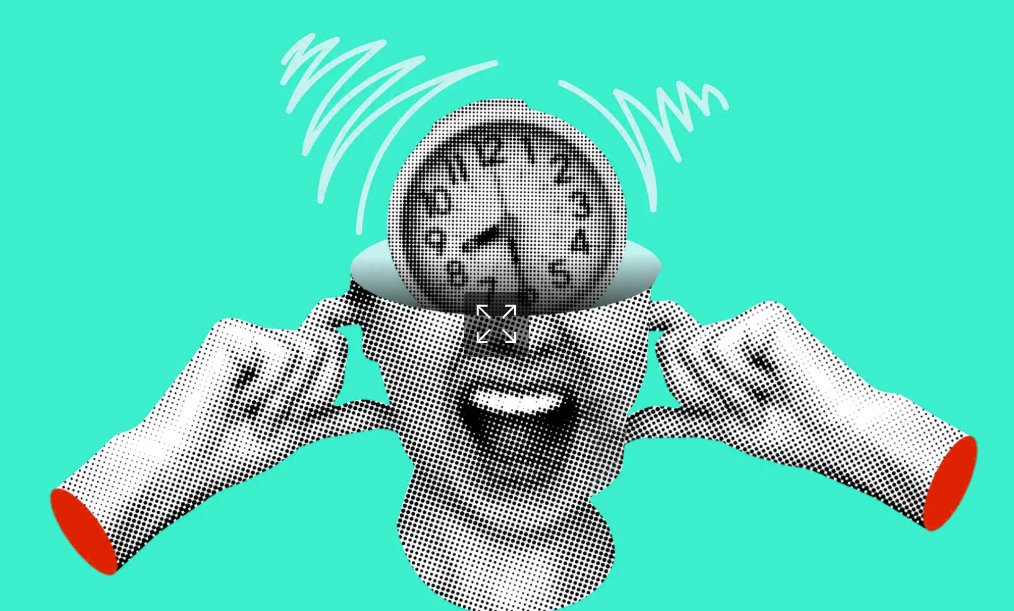
Constantly analysing what's happening to you, why, and since when, turns your mind into an endless screw, going round and round on the same thing. Looking for culprits, causes, mistakes can end up Turning your brain into an infinite Ferris wheel!
Attention! Ruminating doesn't solve anything, it just amplifies discomfort.
Trying to eliminate anxiety as if it were a virus
Fighting anxiety as if it were a mortal enemy often has the opposite effect. It's a mechanism and part of some processes.
“Out, anxiety, disappear NOW!”
(Warning: works as well as shouting while driving)
We must learn that the more you try to eliminate it, the more present it becomes.

Constantly distracting yourself
Series, social media or food may offer temporary relief, but they don't solve the problem. Try to distract yourself like mad Netflix, chocolate, infinite scroll…
...objectively it's not going to work for you.
Remember! The anxiety is still there when the distraction ends.

What DOES work for managing anxiety
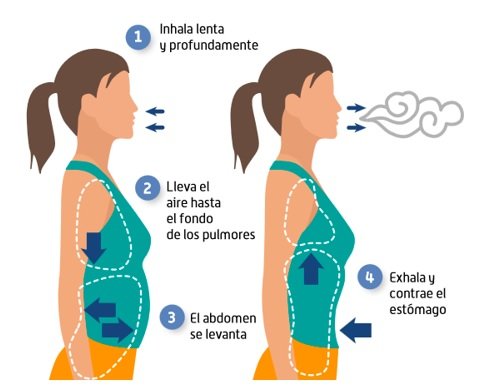
Diaphragmatic breathing
Helps to reduce the body's physiological activation.
Mindfulness
Allows you to observe anxiety without reacting automatically.
Allowing yourself to feel anxiety
Accepting their presence reduces the internal struggle.
Self-compassion
Treating yourself with kindness reduces emotional intensity.
Pivotal idea: change your relationship with anxiety
It's not about eliminating anxiety, but about learning to manage it.
When we stop fighting against it and start understanding it, its impact is reduced and we regain a sense of control.
When to ask for psychological help
If anxiety interferes with your daily life, affects your rest, relationships, or general well-being, it is important to seek professional help.
Psychological therapy allows you to work on:
-
Emotional regulation
-
Anxious thoughts
-
Avoidance behaviours
-
Effective long-term strategies
If you are interested in this POST, I recommend you read the further information on anxiety here.
Conclusion
Many of the strategies we use to manage anxiety stem from a misconception: that we must eliminate it.
The reality is that anxiety is part of the human experience. Learning to relate to it in a healthier way is what makes the difference.