
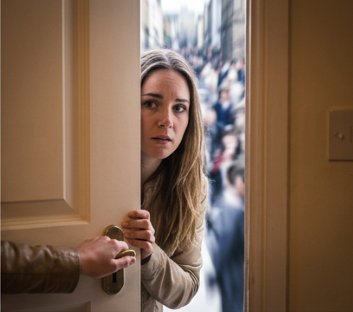
Agoraphobia: causes, symptoms, and psychological treatment
Agoraphobia is an anxiety disorder that can significantly limit the life of someone who suffers from it. It's not just about a fear of open spaces, but an intense feeling of vulnerability in situations where escaping or receiving help may prove difficult.
At CALMA Psicólogos, in Fuengirola and Mijas, we work from an evidence-based approach to help you understand and overcome agoraphobia.
It could be very positive if you browse this related article:
To expand on this information, especially if you are concerned about suffering from agoraphobia
When do we really talk about agoraphobia?
To diagnose agoraphobia, it is not enough to identify isolated symptoms. It is essential to assess:
- If the person perceives their situation as limiting
- If it affects your quality of life
- If there is avoidance of everyday situations
- If anxiety appears disproportionately
It's important to understand that many people might experience similar traits at specific times, but agoraphobia involves a real functional impact on daily life.
Recommended reading When to go to a psychologist

Causes of agoraphobia: a multifactorial origin
There isn't a single cause of agoraphobia. It is a complex phenomenon involving different factors:
Biological factors
A link has been observed between agoraphobia and low levels of serotonin in certain areas of the brain, which can influence emotional regulation.
Psychological factors
Previous experiences, fear learning, and negative associations can consolidate avoidance patterns.
Environmental factors
Stressful situations, substance use, or life events can act as triggers.
From the perspective of current psychology, we understand agoraphobia from a model biopsychosocial, where biological, psychological, and social variables interact.

Agoraphobia treatment
Agoraphobia has treatments, and with the right approach, it's possible to regain quality of life. Primarily, the intervention is made through two strategies, which work best together.
Pharmacological treatment
In some cases, the use of: may be recommended.
- Antidepressants (SSRIs)
- Anxiolytics
Always under medical supervision, as these drugs do not cure the problem but help to reduce the symptoms. Furthermore, they can present side effects, so their use must be carefully assessed.
Psychological therapy (treatment of choice)
The Cognitive behavioural therapy It is the treatment with the most scientific evidence for agoraphobia.
In consultation, we work on:
- Gradual exposure to avoided situations
- Restructuring limiting thoughts
- Emotional regulation techniques
- Developing coping skills
This approach allows the person to regain control and progressively reduce anxiety.
You might be interested in reading: EMDR: Myths and realities of the fashionable therapy

Why is psychological therapy important?
Unlike drugs, therapy:
- Generate lasting changes
- It has no side effects
- Address the root cause of the problem, not just the symptoms
However, it requires active involvement from the person, as it involves gradually confronting what generates fear, always in a safe and guided environment.
Combined treatment: when is it necessary
In some cases, it may be recommended to combine psychological therapy and pharmacological treatment for:
- Reduce the initial severity of symptoms
- Facilitate the therapeutic process
This decision should always be made by qualified professionals.

Conclusion
Agoraphobia is not simply fear: it is a complex response that can profoundly condition life.
However, with appropriate and evidence-based treatment, it is possible to overcome it.
Agoraphobia can co-occur with different types of anxiety.
Recommended reading The 7 types of anxiety
At CALMA Psychologists (Fuengirola and Mijas), we will accompany you through this process with a professional, empathetic approach focused on real results.
Post written by Samara Valenzuela
If after reading this entry you believe you may need to attend for an assessment to see if you require therapy to treat AGORAPHOBIA and would like to know more about the professionals who provide it at CALMA PSICOLOGOS, do not hesitate to CLICK.
Bibliographic references
- Adamec, C. (2010). The Encyclopaedia of Phobias, Fears, and Anxieties.
- American Psychiatric Association (2013). DSM-5.
- Badós, A. (2006). Managing panic and agoraphobia.
- Hersen, M. and Last, C. (1993). Behaviour Therapy Manual.
- Lydiard, R.B.; Ballenger, J.C. (1987). Journal of Affective Disorders.
- Jacobson, K. (2004). International Studies in Philosophy.
- Luciano, M.C. (1996). Clinical Psychology Handbook.
- Adrián Triglia. (2015, 25 November). Agoraphobia: what it is, causes, symptoms and treatment. Psychology and Mind Portal.