
EMDR Therapy in Fuengirola and Mijas: Trauma Treatment
The EMDR therapy in Fuengirola and Mijas es un enfoque psicológico eficaz para tratar experiencias traumáticas, ansiedad, depresión y otros problemas emocionales. En CALMA Psicólogos somos unos de los pocos centros donde 2 profesionales tienen la especialización en EMDR. Trabajamos con este método para ayudarte a procesar aquello que hoy sigue afectando a tu bienestar, siempre analizando si es lo mejor para tu caso, sin entrar en tendencias o modas en terapias concretas, ya que la prioridad es atender a las necesidades del paciente.
A través de un abordaje estructurado y seguro, la terapia EMDR permite desbloquear recuerdos que han quedado “atascados” en el sistema nervioso, facilitando que puedas integrarlos de forma saludable y reducir el malestar emocional asociado.
¿Qué es la terapia EMDR y cómo funciona?
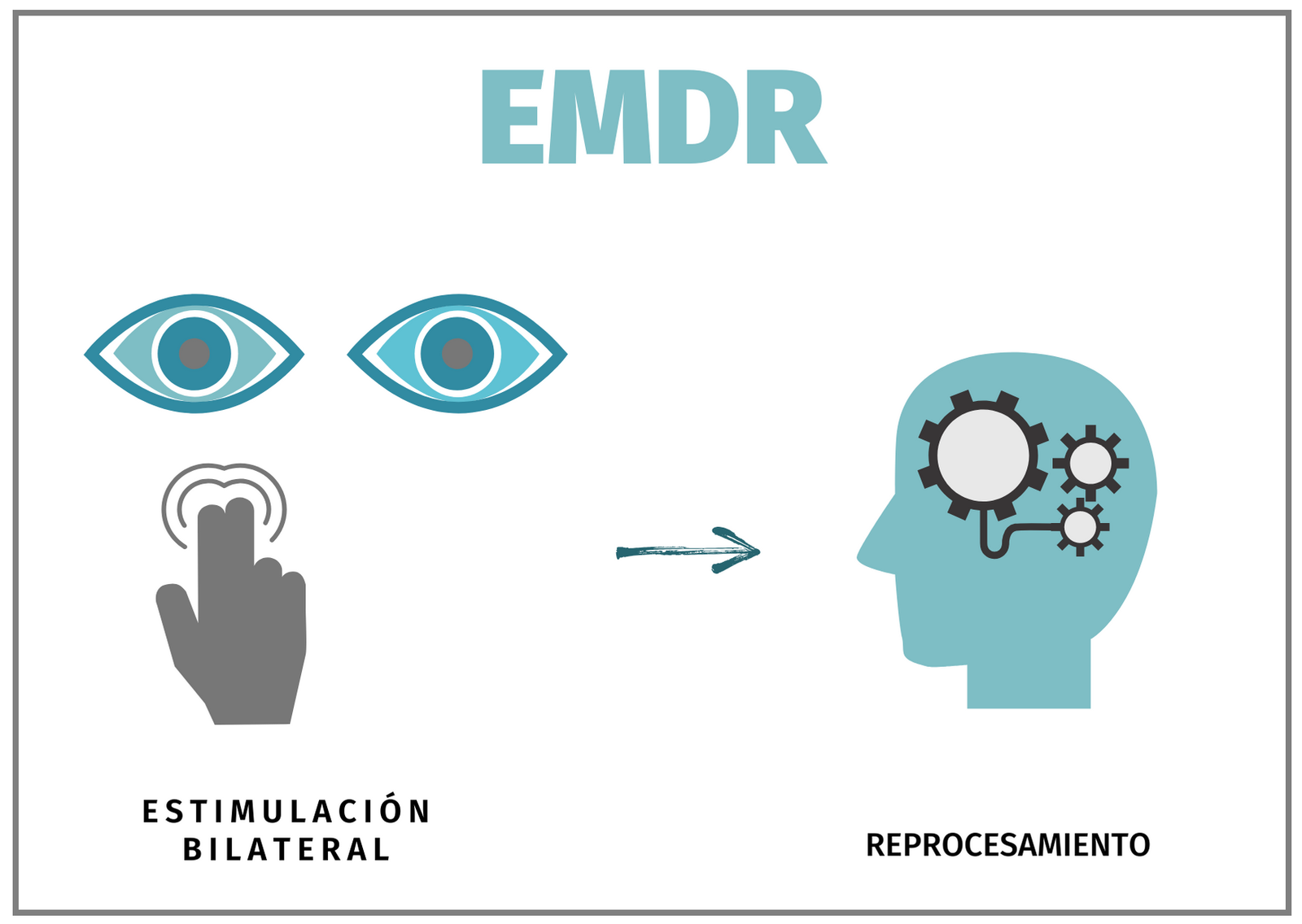
EMDR (Desensibilización y Reprocesamiento por Movimientos Oculares) es una terapia basada en la capacidad natural del cerebro para procesar experiencias.
Cuando vivimos situaciones intensas o traumáticas, el cerebro puede no procesarlas correctamente. Esto provoca que esos recuerdos sigan activando emociones, pensamientos y sensaciones negativas en el presente.
EMDR therapy helps to:
- Process unresolved experiences
- Reduce the emotional burden associated with memories
- Modify negative self-beliefs
- Recuperar sensación de control y bienestar
Recommended reading History of EMDR
¿Para qué problemas está indicada la terapia EMDR?
The EMDR therapy in Fuengirola and Mijas es eficaz en múltiples áreas:
- Trauma psicológico y TEPT
- Anxiety and panic attacks
- Depression
- Phobias
- Duelo y pérdidas
- Self-esteem issues
- Estrés y bloqueos emocionales
- Experiencias difíciles en la infancia
- Problemas de relación
Differences between EMDR and other therapies
A diferencia de otras terapias más centradas en el análisis o la exposición prolongada, EMDR:
- There is no need to constantly talk in detail about what happened
- Works directly on memory processing
- Permite una reducción más rápida del malestar en muchos casos
- Integra emociones, cuerpo y cognición
Esto hace que sea una terapia especialmente útil para personas que sienten que “entienden lo que les pasa”, pero no consiguen cambiar cómo se sienten.

¿Qué ocurre en el cerebro durante la terapia EMDR?
Durante el proceso EMDR se activan mecanismos naturales del cerebro que permiten reorganizar la información emocional.
Se produce una mejor conexión entre:
- Sistemas emocionales (como la amígdala)
- Memory (hippocampus)
- Regulación (corteza prefrontal)
This makes it easier for the memory to stop being experienced as something current and become an integrated past experience.
All you need to know about: PAI Model
¿Cómo es el proceso de terapia EMDR en CALMA Psicólogos?
En CALMA Psicólogos (Fuengirola y Mijas) realizamos un proceso estructurado:
- Evaluación inicial y comprensión del problema.
- Elección de la terapia más adecuada
- Preparación emocional y desarrollo de recursos
- Identificación de recuerdos clave
- Procesamiento mediante estimulación bilateral
- Integración y cierre
Each process is personalised, respecting each person's pace.
¿Quién puede beneficiarse de la terapia EMDR?
La terapia EMDR está indicada para adolescentes y adultos que:
- Han vivido experiencias traumáticas
- They feel persistent anxiety
- They emotionally block themselves.
- They repeat patterns they don't understand.
- They want to work on their emotional well-being in depth.
The importance of undertaking EMDR with qualified professionals
La terapia EMDR debe ser aplicada por psicólogos sanitarios formados específicamente en este enfoque.
En CALMA Psicólogos tenemos a 2 profesionales formados de forma reglada y oficial en EMDR. Por ello, garantizamos un entorno seguro, profesional y adaptado a cada caso, evitando intervenciones no guiadas que puedan resultar ineficaces o contraproducentes.

¿Crees que puedes necesitar terapia EMDR?
📍 Face-to-face consultation in Fuengirola
🖥️ Terapia para la EMDR
👥 Atención profesional, cálida y adaptada a tu relación. Con evaluación previa para elegir la mejor terapia para tus necesidades.
💌 Contáctanos hoy mismo y da el primer paso para afrontar tu problema.
📲 [624 00 21 27]
📧 [info@calmapsicologos.com]
📍 C/ San Pancracio 7, Edificio Terminal I, 2º-5, Fuengirola (Málaga)
Antes - Durante - Después de la sesión
¿Qué incluye una sesión?
Cuando reservas una sesión con nosotros, estás eligiendo un servicio que se divide en varias acciones, previas y posteriores a la sesión.
Además de a space designed for you: confidential, respectful and change-oriented.
Cada sesión online está diseñada para ofrecerte una experiencia terapéutica completa a través de la pantalla.
Tiempo de preparación previo a la sesión
Antes de la sesión, y en base a la información que proporciones sobre el motivo de la consulta. Trabajamos preparando el mejor encuadre posible.
The online/face-to-face appointment
Espacio y tiempo exclusivos para ti durante la duración de la sesión de consulta. Aproximadamente unos 50 minutos, a veces un poco más a veces un poco menos, cada día y cada persona es diferente y el tiempo de las citas puede variar, siempre poniendo como prioridad lo mejor para tus necesidades.
Durante la sesión we listen, we ask questions, and we take notes, The Commission's position on this issue is always in line with thealidez y empatía. Con escucha activa en un espacio libre de juicios, pero con un eclear and professional approach.
Tiempo de preparación de: Pautas, materiales, resumen de la sesión
Tras la sesión y en base al trabajo previo de encuadre, invertimos tiempo para pautar:
- Personalised objectives tailored to your needs and your time. Guidelines, exercises, tasks and recommendations to achieve change.
- Si es necesario realizamos resumen de la sesión y materiales de trabajo.
- Follow-up and reminder of appointments. By giving continuidad y acompañamiento durante el proceso de terapia, hasta el momento del alta.