
What is mourning?
Sadness, apathy, listlessness, excessive tiredness or distress are some of the most common symptoms associated with depression. At Calma Psychologists Fuengirola, We understand that these symptoms, when they persist over time or significantly affect your daily life, are clear signs that it is time to seek professional help.
Stages of grief: a necessary journey
Although not all people go through the same phases or in the same order, the grieving process usually has a number of common stages.
Recognising them can help us make sense of what we feel.
To be aware of the process we are going through, have gone through or are about to go through.

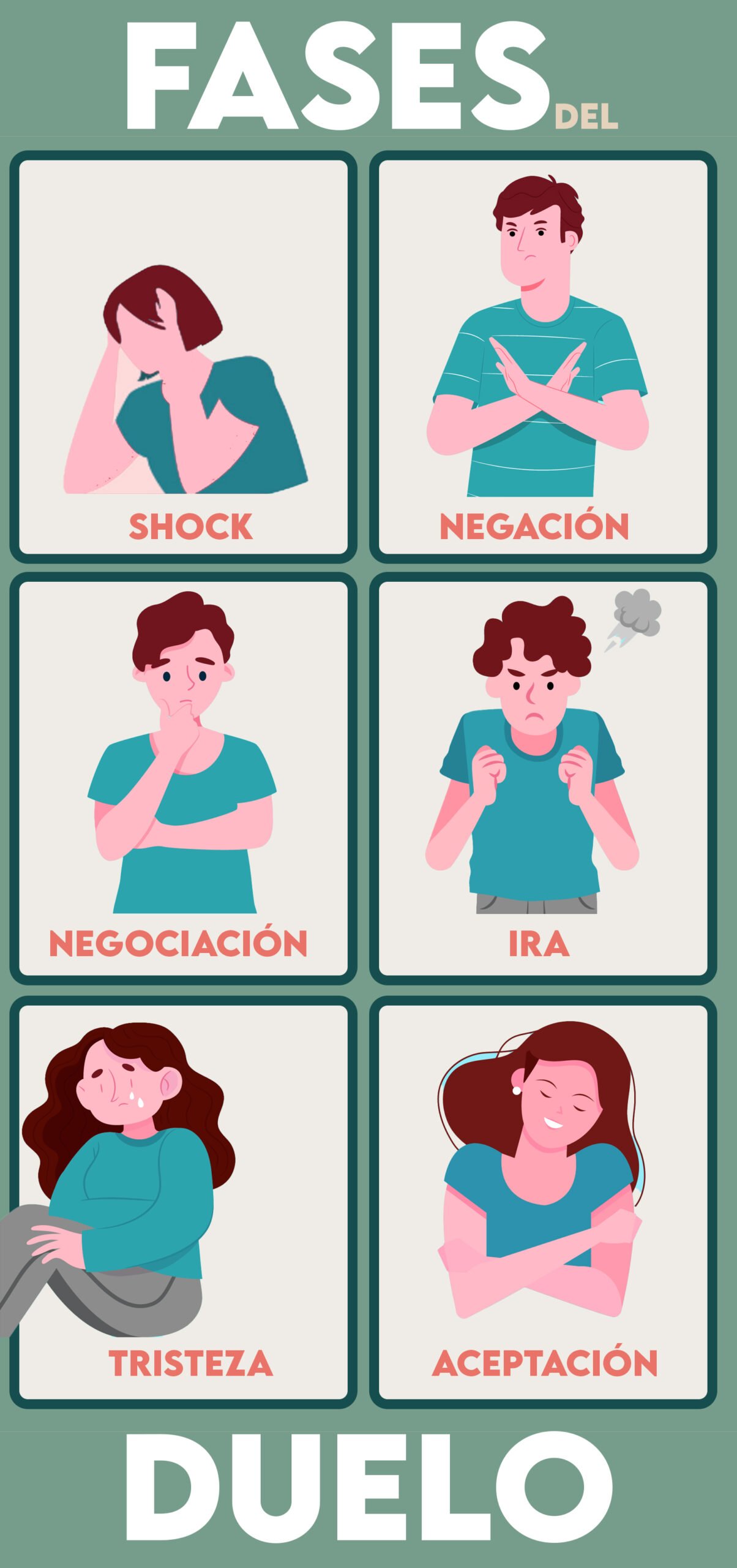
Shock
This is the first reaction to loss. It is characterised by emotional blockage, disbelief and a sense of unreality. In this phase, the body may manifest insomnia, loss of appetite or general apathy. Although it is usually short-lived, its impact can be very intense.
Denial
The mind protects itself by trying to reject what has happened: “It can't be true”, “this is not happening”. Denying the loss is a way of giving ourselves time to assimilate the new reality, although staying too long in this stage can chronicle the process.
Negotiation
At this stage we try to imagine how we could reverse the situation. The thought “if I do this, maybe everything will go back to the way it was before” may creep in. Although this is a short stage, it can be emotionally and mentally exhausting.
Ira
Feeling rage, frustration or anger is natural. Anger can be directed at oneself, at others or even at the person who has been lost. Recognising and channelling this emotion is essential to move forward in the grieving process.
Sadness
This is the longest phase. It manifests itself as a deep emotional emptiness, lack of motivation, difficulty in enjoying things or pessimistic thoughts about the future. Although painful, it is an essential stage for emotional reconstruction.
Acceptance
Acceptance does not mean forgetting, but integrating the loss into our lives. We learn to live with the pain and to move on, rebuilding our identity and our projects. It is the starting point for a new stage in life.
What is pathological grief?
In some cases, grief is not resolved naturally and is prolonged over time, giving rise to what we call pathological grief. When symptoms remain intense after many months, prevent a return to daily life or develop into other emotional problems, professional help is essential.
Indicators of unresolved grief
-
Inability to talk about the loss naturally, even years later.
-
Loss of illusion or sense of life sustained over time.
-
Constant irritability, rejection of other people's happiness.
-
Excessive avoidance behaviour (e.g. keeping objects of the deceased or partner intact).
-
Frequent flashbacks, nightmares, recurrent anxiety.
-
Obsessive thoughts about death or desire to die.

How long does a duel last?
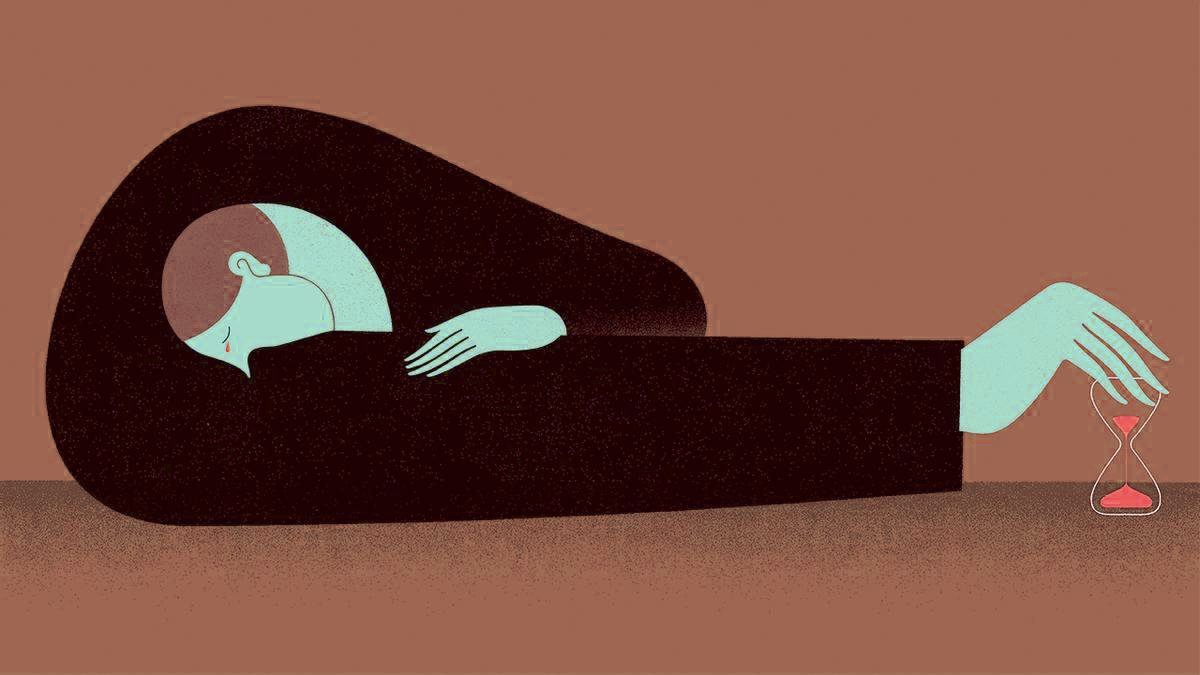
The duration of bereavement varies from person to person, but generally ranges from six months to two years. Factors such as personality, type of loss, social support or available emotional tools can influence this process.
When to see a bereavement psychologist in Fuengirola?
At CALMA PSICÓLOGOS, we recommend seeking professional help when:
-
You feel that the loss has paralysed your life and you cannot move forward.
-
You experience intense emotional pain that does not diminish over time.
-
You have difficulties in coming to terms with what has happened or in reconstructing your daily life.
-
Bereavement has affected your self-esteem, relationships or emotional well-being.
-
You want to prevent pain from becoming a chronic problem.


We accompany your process with respect and professionalism.
At CALMA PSYCHOLOGISTS we offer you a safe space where you can address your grief through understanding and clinical experience. Through a personalised approach, we help you through your grieving process and recover your emotional balance.
Are you looking for bereavement counselling in Fuengirola - Mijas or online?
📍 Face-to-face consultation in Fuengirola
🖥️ Bereavement therapy online from anywhere
👥 Professional, warm and personalised care for your relationship
💌 Contact us today and take the first step to change what hurts.
📲 [624 00 21 27]
📧 [info@calmapsicologos.com]
📍 C/ San Pancracio 7, Edificio Terminal I, 2º-5, Fuengirola (Málaga)
Let's talk about overcoming your grief.

Each person is unique, and so is their therapeutic process. That is why my approach is integrative: it combines tools and techniques from different psychological currents.s, such as cognitive-behavioural therapy, humanistic therapy, acceptance and commitment therapy, mindfulness, experiential exercises or systemic therapy.
This allows me to adapt the intervention to your needs, respecting your pace and your own processes.