
Duelo perinatal: cómo afrontar la pérdida de un bebé durante el embarazo o tras el parto en Fuengirola y Mijas
Perinatal bereavement es una experiencia profundamente dolorosa e invisibilizada que ocurre tras la pérdida de un bebé durante el embarazo o poco después del nacimiento. En CALMA Psicólogos, en Fuengirola y Mijas, ofrecemos acompañamiento psicológico especializado para ayudarte a transitar este proceso, integrando la pérdida y reconstruyendo tu historia desde el respeto y el cuidado emocional.
¿Qué es el duelo perinatal?
El duelo perinatal abarca el fallecimiento de un bebé en cualquier momento del embarazo o poco después del nacimiento. Aunque el término “perinatal” se define biológicamente desde la semana 22 hasta los primeros 28 días de vida, emocionalmente la experiencia de pérdida puede comenzar mucho antes.
Este tipo de duelo implica no solo el dolor por la muerte de un hijo o hija, sino también la pérdida de un proyecto vital, del rol de madre o padre, y del futuro imaginado de la vida con el bebé.
Reacciones emocionales y físicas comunes en el duelo perinatal
Frequent emotional reactions
-
Shock and disbelief at the news.
-
Deep sadness and longing por haber tenido el bebé y que siguiera en nuestras vidas.
-
Guilt, remorse and anger, tanto hacia uno mismo, como hacia otros (pareja, familiares, personal médico…)
-
Anxiety, helplessness and fear in the face of a world that has suddenly changed.
-
Soledad e incomprensión by the environment.
-
Envy hacia quienes sí tienen a sus hijos/as con ellos o no han sufrido pérdidas.
Respuestas físicas en el cuerpo
El cuerpo también expresa el duelo: fatiga, trastornos del sueño, pérdida de apetito, sensación de vacío, opresión en el pecho, o incluso percepciones físicas como sensación de continuar embarazada, patadas o preparación para la lactancia, especialmente si ha habido un proceso de gestación avanzado.

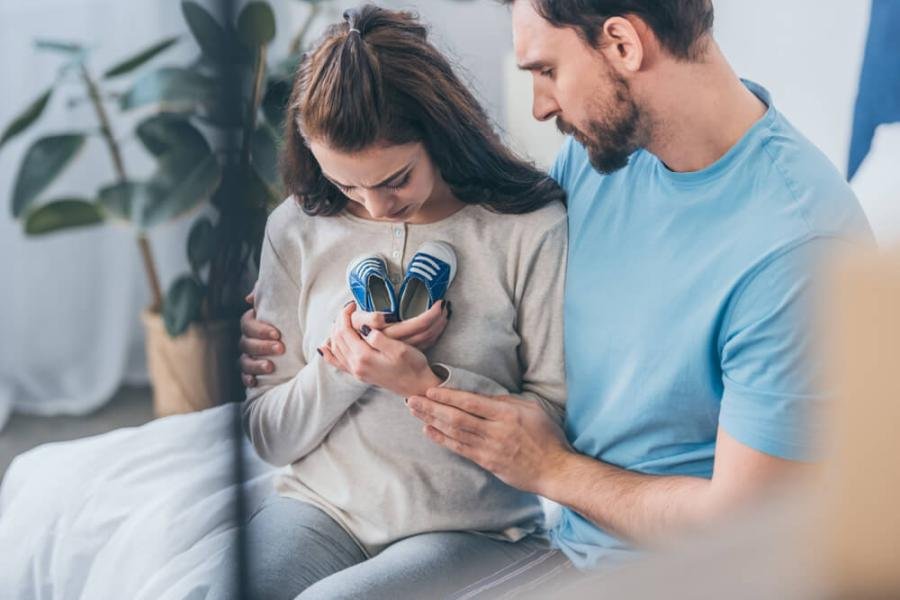
El vínculo con el bebé fallecido: un proceso válido y necesario
Lejos de olvidar o “pasar página del episodio”, las madres, padres y familiares continúan sintiendo un vínculo con el bebé. Hablar naturalmente de él o ella, conservar algunos objetos, regalos, fotos o ecografías, pueden ser formas sanas de mantener el recuerdo de su existencia y la conexión emocional y social. Esto forma parte de una experiencia natural, no patológica.
¿Recuperación o transformación? Un duelo que se reconstruye
El duelo no tiene una fecha establecida para «superarlo». Es un proceso dinámico y con fluctuaciones, en el que la persona integra la muerte, acepta su realidad actual, redefine su identidad y encuentra sentido. No se trata de volver a ser quien se era antes, sino de descubrir quién se es ahora, con esta nueva situación.

Las fases del duelo: ¿mito o realidad?
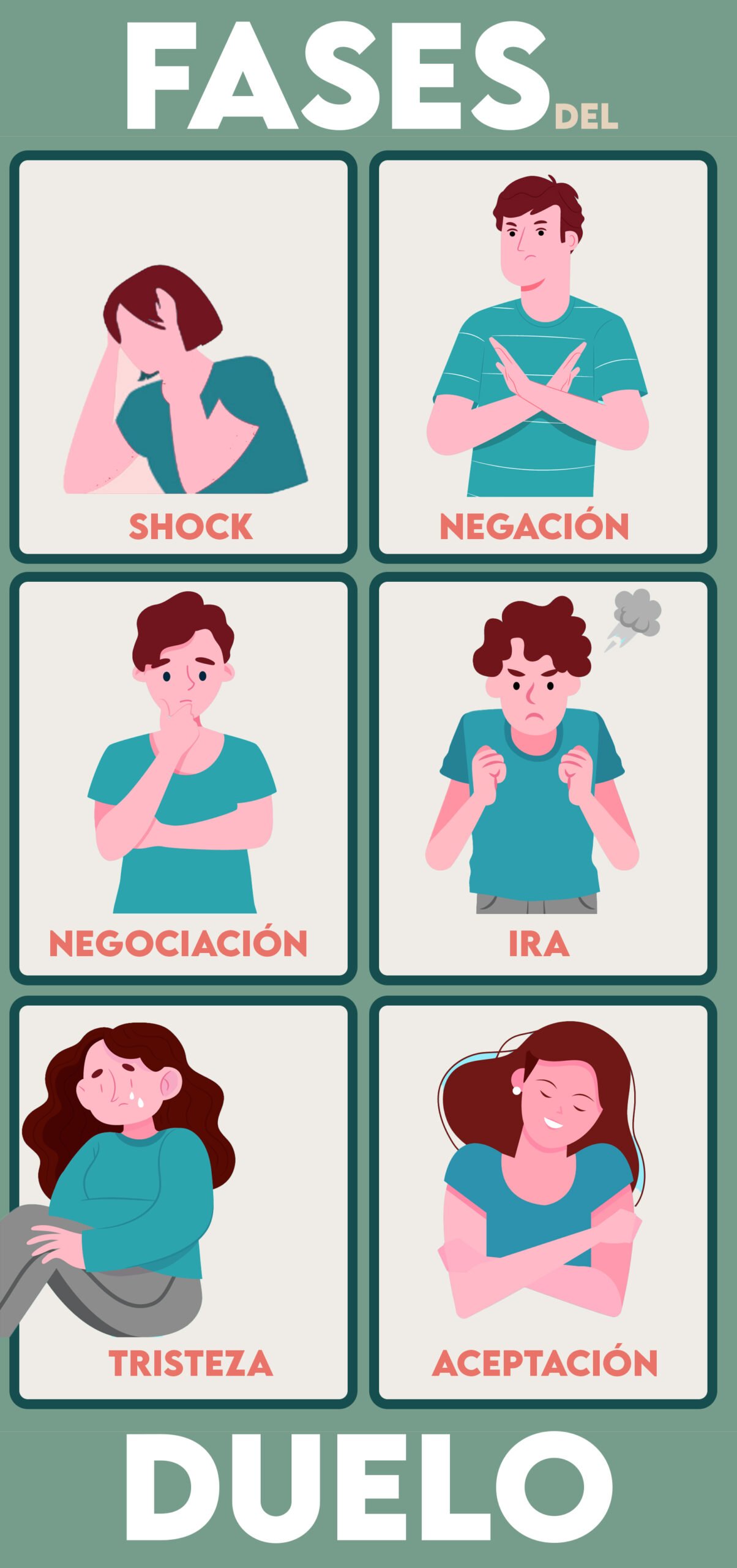
Aunque se habla comúnmente de las diferentes fases (negación, ira, negociación, depresión y aceptación…), lo cierto es que el duelo no siempre sigue un orden lineal, ni tienen por qué darse todas las fases. Cada persona vive su proceso de forma particular, experimentando fases en diferente orden o simultáneamente.
Cada historia de duelo es única.
Quizás puede ser interesante, donde, desde Calma Psicólogos, ampliamos más información sobre THE DUEL
Para algunas personas, concebir el duelo como un proceso compuesto por fases puede resultar tranquilizador. Sin embargo, esta visión ha sido objeto de críticas por varios motivos. Por un lado, se considera una simplificación excesiva de una experiencia profundamente compleja, que varía significativamente de una persona a otra en función de su historia, su vínculo con la persona fallecida y su contexto cultural. Por otro lado, incluso si adoptamos la idea de fases, el duelo rara vez sigue un recorrido lineal o predecible. Es más habitual que las personas transiten por diferentes estados emocionales de forma menos estructurada, con avances y retrocesos o manteniéndose en un mismo estado durante más tiempo del esperado.
Desde esta perspectiva, aunque la noción de fases puede ofrecer cierta estructura o consuelo, también puede generar frustración o malestar cuando la experiencia personal no se ajusta a ese esquema, pudiendo llegar a dificultar, en algunos casos, el proceso de transición del duelo.
El silencio social: la desautorización del duelo perinatal
En muchas ocasiones, el entorno no reconoce el duelo perinatal como “válido”. Esto puede dificultar aún más el proceso, ya que impide hablar, recordar y llorar a quien ha fallecido. La invisibilización del dolor es una forma de violencia emocional que impide avanzar.
Reconocer la pérdida y el derecho a expresarla es fundamental para una elaboración saludable del duelo.

¿Compararse con otros ayuda? Sí, pero con matices
Es natural buscar referencias en otras personas que han vivido algo similar. Puede servir para sentirse comprendido y acompañado. Sin embargo, es importante no forzarse a vivir el duelo como otros lo hacen. Cada historia, cada familia, cada cuerpo y cada emoción son distintos.
Cuándo buscar ayuda psicológica
Si sientes que no puedes más, que el dolor te desborda, que hay dificultades con tu pareja, en tu entorno o contigo misma/o, te animamos a pedir ayuda profesional. En CALMA Psicólogos ofrecemos acompañamiento respetuoso y especializado en duelo perinatal, tanto individual como en pareja.
También existen grupos de apoyo que pueden resultar muy útiles para compartir y procesar desde la experiencia colectiva.
Acompañamiento en CALMA Psicólogos
Nuestro equipo de psicólogos en Fuengirola y Mijas está comprometido con ofrecer un espacio seguro para transitar este tipo de pérdidas. Si has sufrido una muerte gestacional o perinatal, no estás sola. Te acompañamos para que puedas integrar esta experiencia en tu vida y tu historia personal.
¿Buscas ayuda para superar tu duelo perinatal en Fuengirola – Mijas u online?
📍 Face-to-face consultation in Fuengirola
🖥️ Terapia para superar la perdida online from anywhere
Professional, warm attention, tailored to your needs
💌 Contáctanos hoy mismo y da el primer paso para empezar a trabajar la pérdida.
📲 [624 00 21 27]
📧 [info@calmapsicologos.com]
📍 C/ San Pancracio 7, Edificio Terminal I, 2º-5, Fuengirola (Málaga)
Quiero, puedo y estoy dispuesta a ayudarte con tu pérdida
Samara Valenzuela | Psicóloga
N. Member: AO14046
Si estás buscando apoyo para manejar la ansiedad, mejorar tus relaciones, fortalecer tu autoestima o afrontar cambios en tu vida, estaré encantada de acompañarte en este camino.
Age group: 18-65+
Appointments: Telematic and face-to-face

Perinatal Bereavement Contact Form
Antes - Durante - Después de la sesión
¿Qué incluye una sesión?
Cuando reservas una sesión con nosotros, estás eligiendo un servicio que se divide en varias acciones, previas y posteriores a la sesión.
Además de a space designed for you: confidential, respectful and change-oriented.
Cada sesión online está diseñada para ofrecerte una experiencia terapéutica completa a través de la pantalla.
Tiempo de preparación previo a la sesión
Antes de la sesión, y en base a la información que proporciones sobre el motivo de la consulta. Trabajamos preparando el mejor encuadre posible.
The online/face-to-face appointment
Espacio y tiempo exclusivos para ti durante la duración de la sesión de consulta. Aproximadamente unos 50 minutos, a veces un poco más a veces un poco menos, cada día y cada persona es diferente y el tiempo de las citas puede variar, siempre poniendo como prioridad lo mejor para tus necesidades.
Durante la sesión we listen, we ask questions, and we take notes, The Commission's position on this issue is always in line with thealidez y empatía. Con escucha activa en un espacio libre de juicios, pero con un eclear and professional approach.
Tiempo de preparación de: Pautas, materiales, resumen de la sesión
Tras la sesión y en base al trabajo previo de encuadre, invertimos tiempo para pautar:
- Personalised objectives tailored to your needs and your time. Guidelines, exercises, tasks and recommendations to achieve change.
- Si es necesario realizamos resumen de la sesión y materiales de trabajo.
- Follow-up and reminder of appointments. By giving continuidad y acompañamiento durante el proceso de terapia, hasta el momento del alta.